Archaeology & Cultural Heritage
The Archaeology and Cultural Heritage minor educates you in stewarding ancestral legacies such as material remains, monuments, landscapes, and intangible traditions, blending humanistic and scientific methods.
 Rebecca Futo Kennedy
,Professor, Chair of Ancient Greek & Roman Studies
Rebecca Futo Kennedy
,Professor, Chair of Ancient Greek & Roman Studies
 Jackie Forshey
,Academic Administrative Assistant
Jackie Forshey
,Academic Administrative Assistant
What you’ll study as an Archaeology & Cultural Heritage minor
The Archaeology and Cultural Heritage minor works in tandem with your major to add practical experience, study, and training to your academic and career goals.
History and culture
Recognize the material foundations of human experience and gain insights into cultures to develop historical perspectives on the contemporary world. Develop skills and knowledge concerning museums and cultural heritage sites — their histories, purposes, ethics, and management.
Foundational concepts
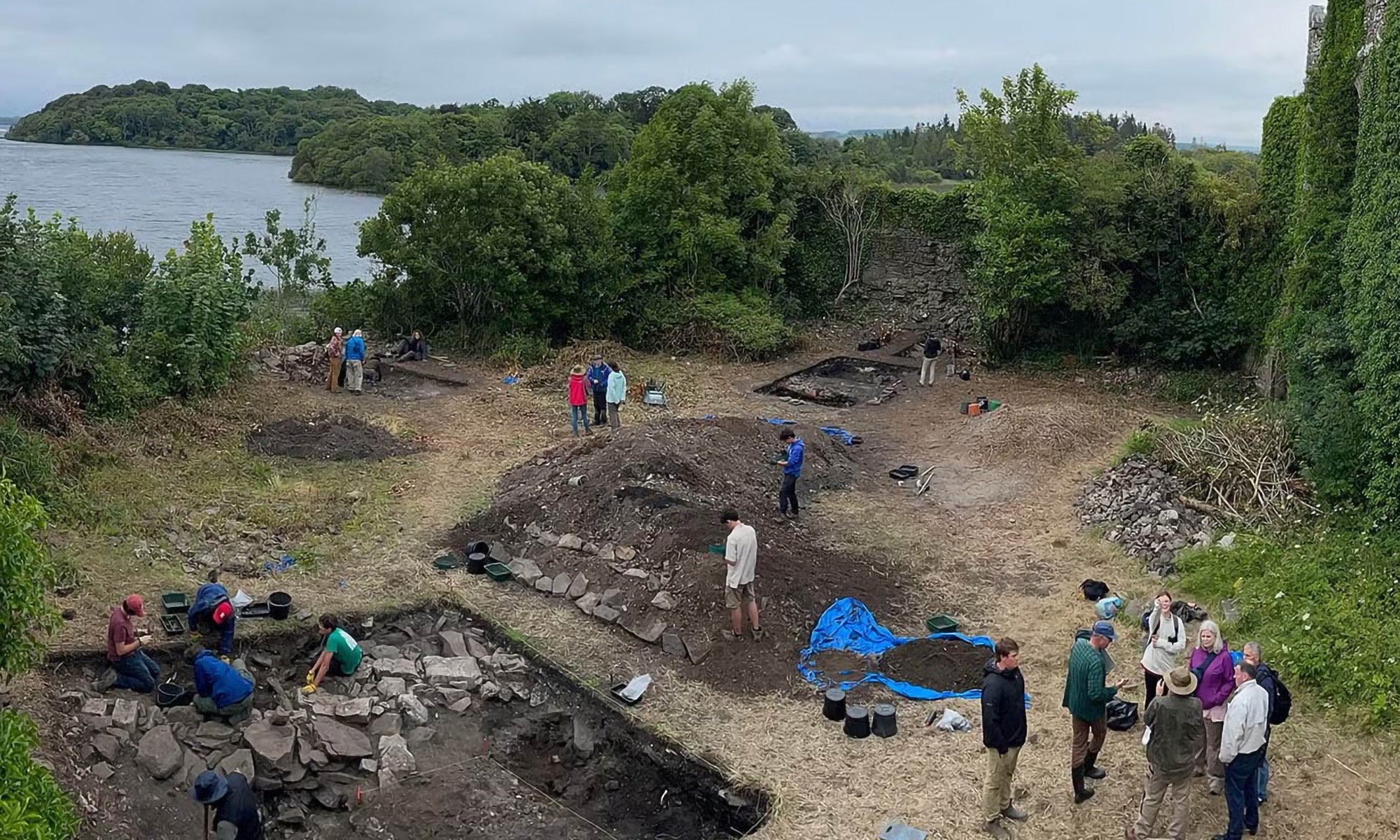
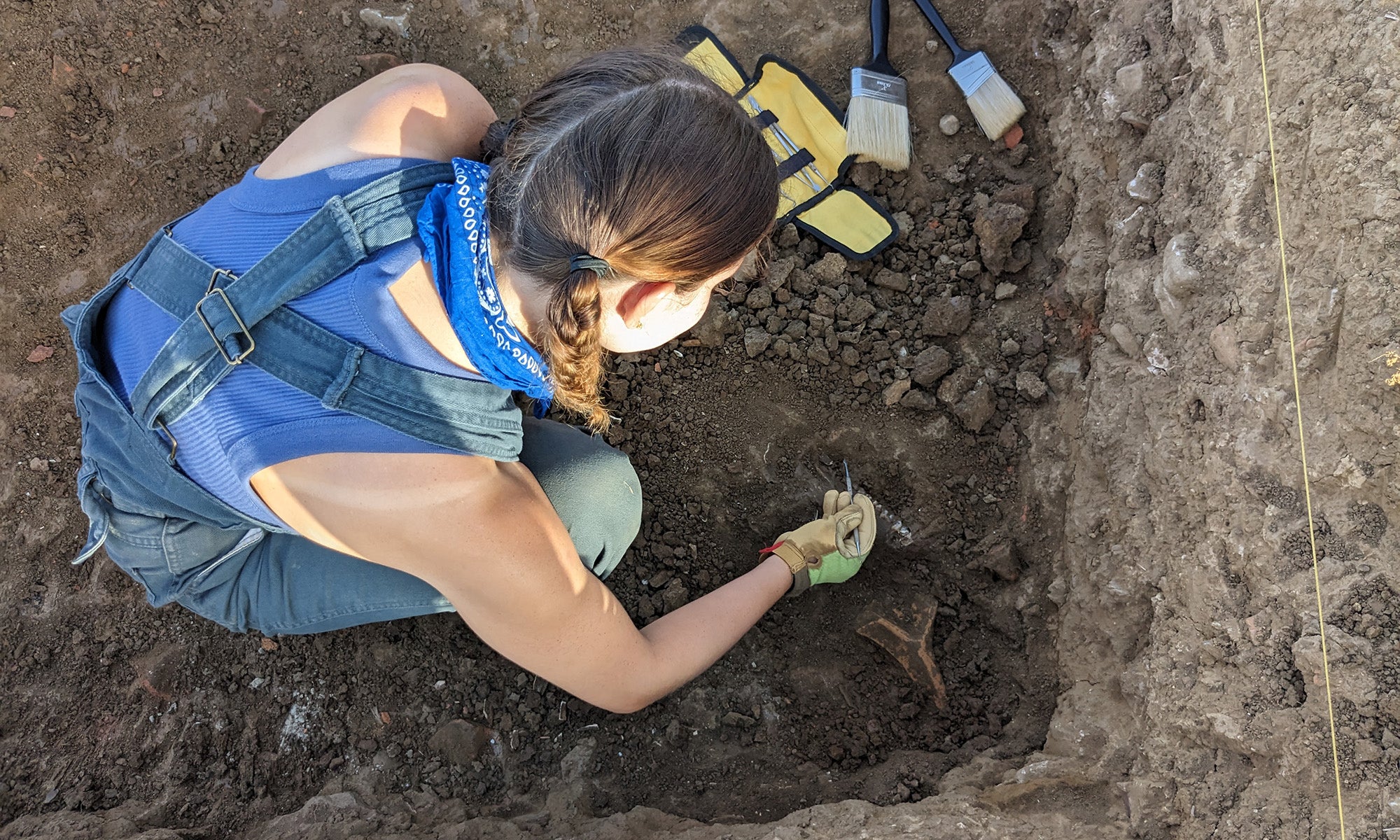
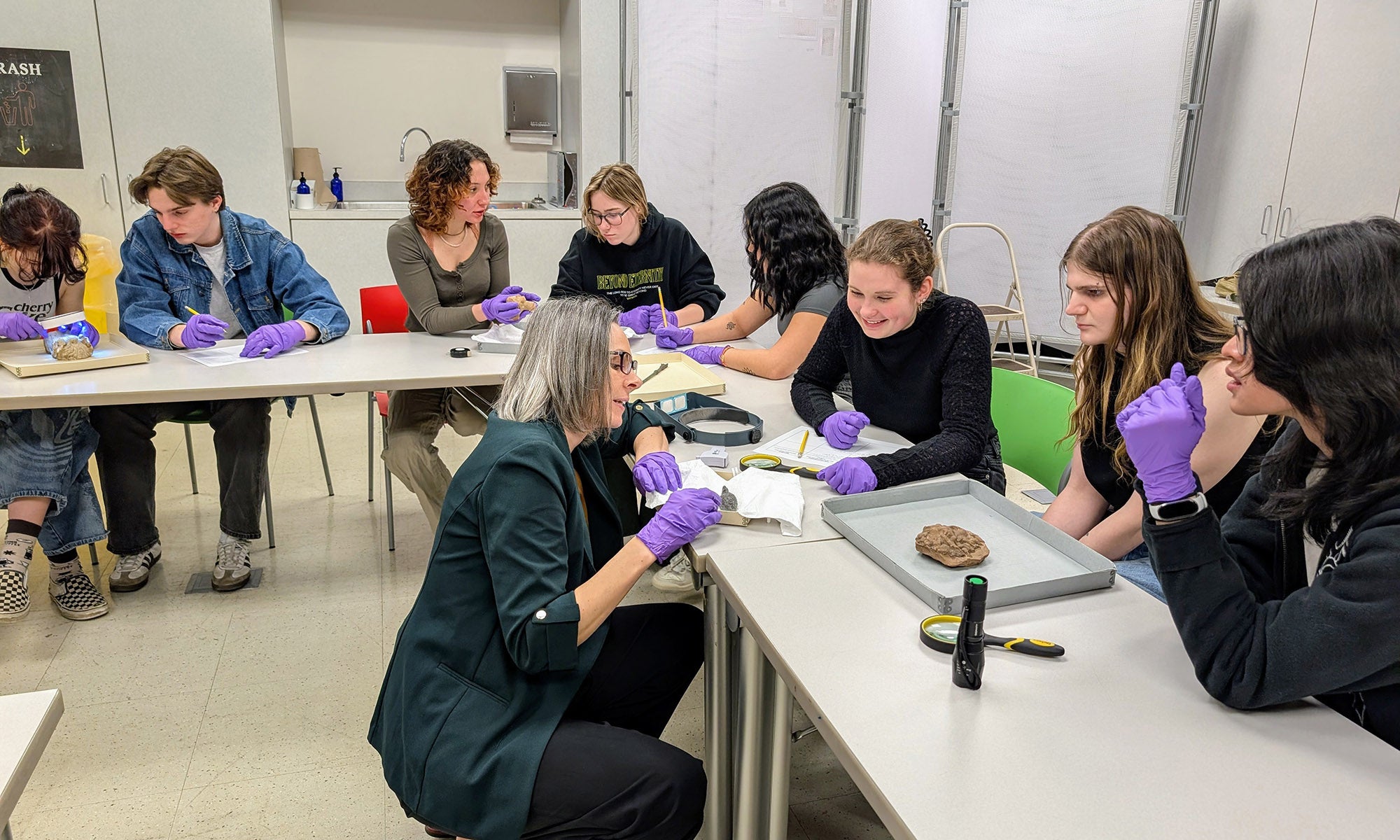
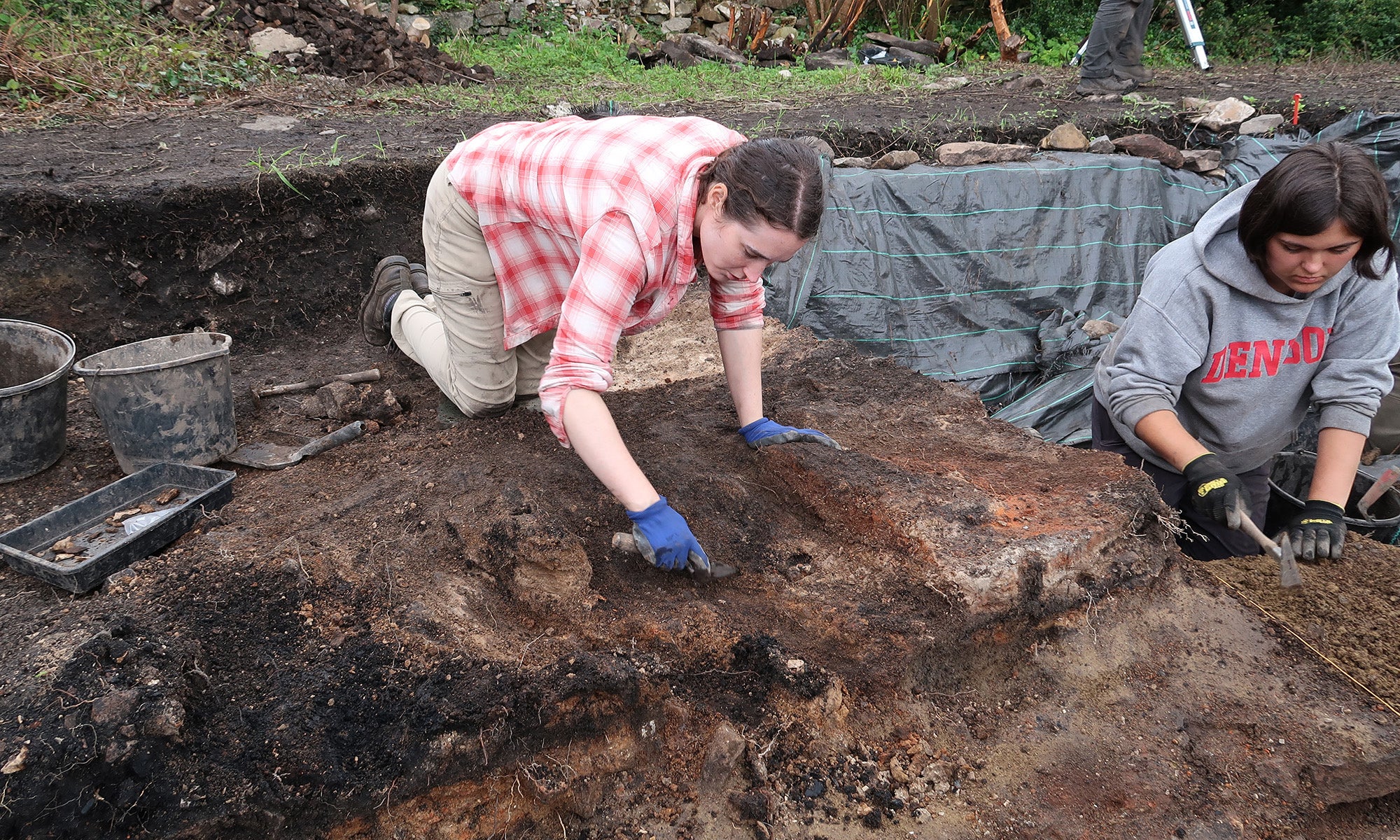
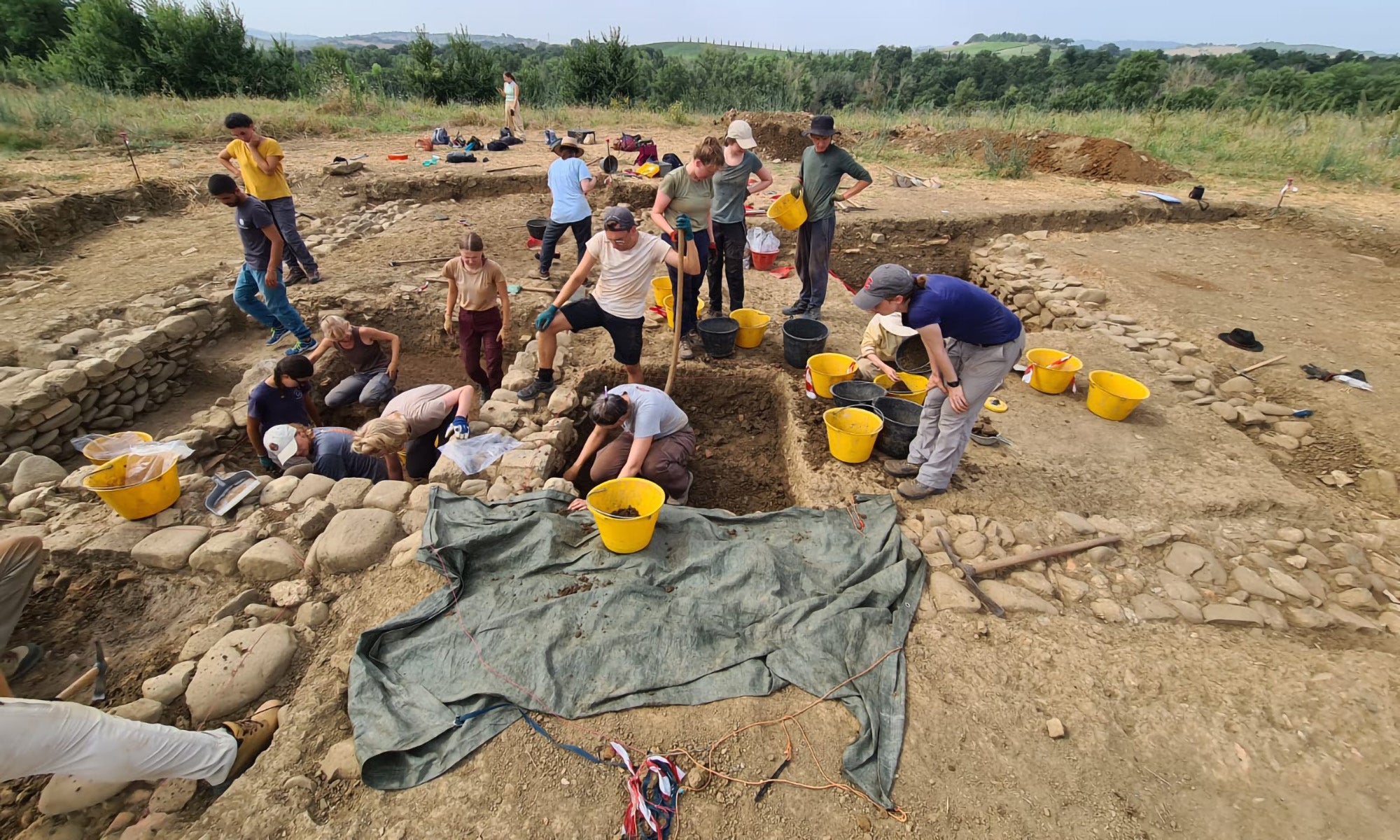
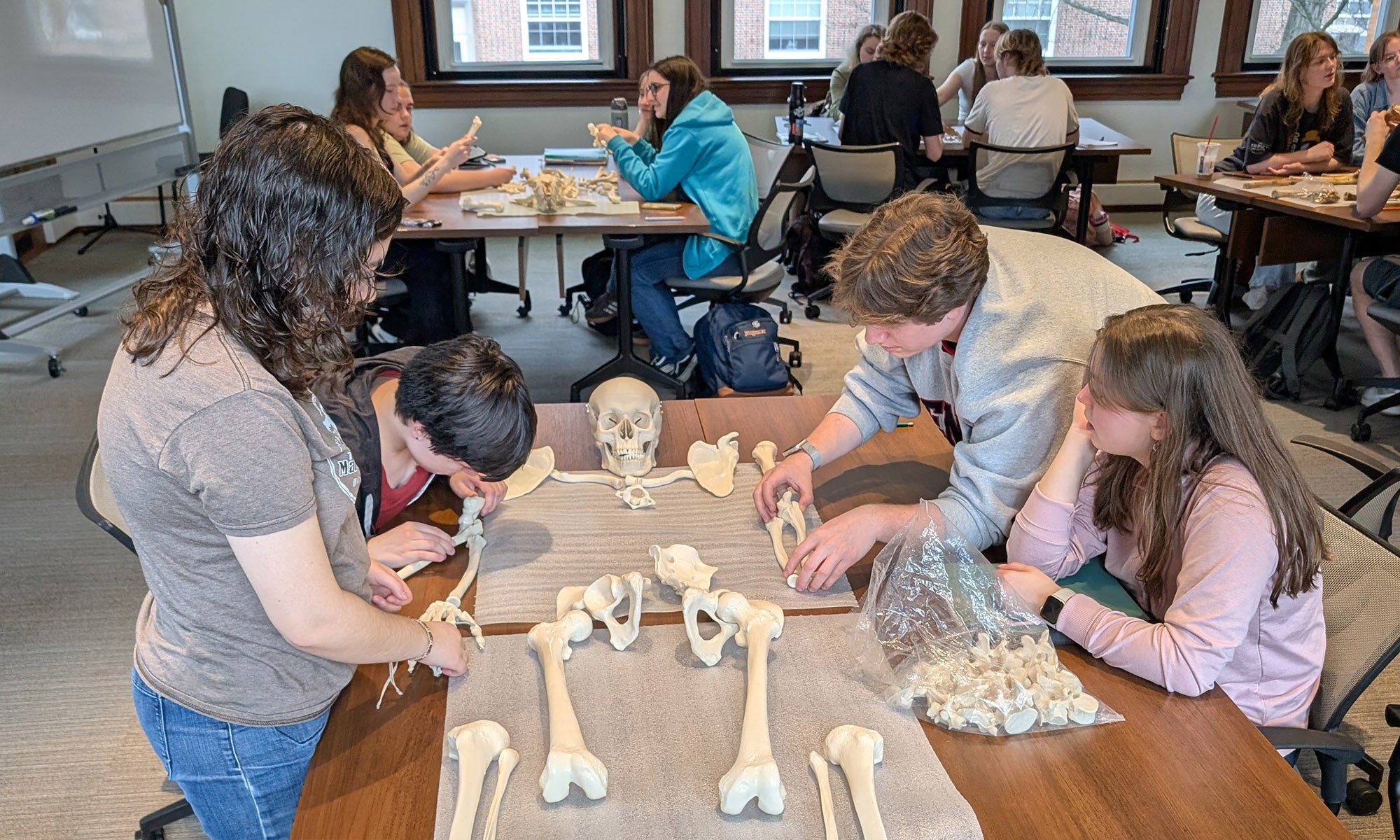
Learn concepts, methods, and theories in archaeology, cultural heritage, and museum studies. Gain practical experience in archaeological field methods, lab methods, and/or museum and cultural heritage management work.
Data and research
Practice gathering, managing, synthesizing, and presenting information from diverse data sources. Understand legal issues relevant to the collection, preservation, sale, management, and display of cultural heritage.
Careers in Archaeology and Cultural Heritage
Archaeology and cultural heritage students are required to take a one-credit course that will help them explore current issues, theoretical problems, and career pathways in archaeology and cultural heritage management.
Career communities
Students in the archaeology and cultural heritage minor can join one or more of our career communities, including the Nonprofit, Education & Government and Visual, Written & Performing Arts communities.

Beyond the Classroom
Internships
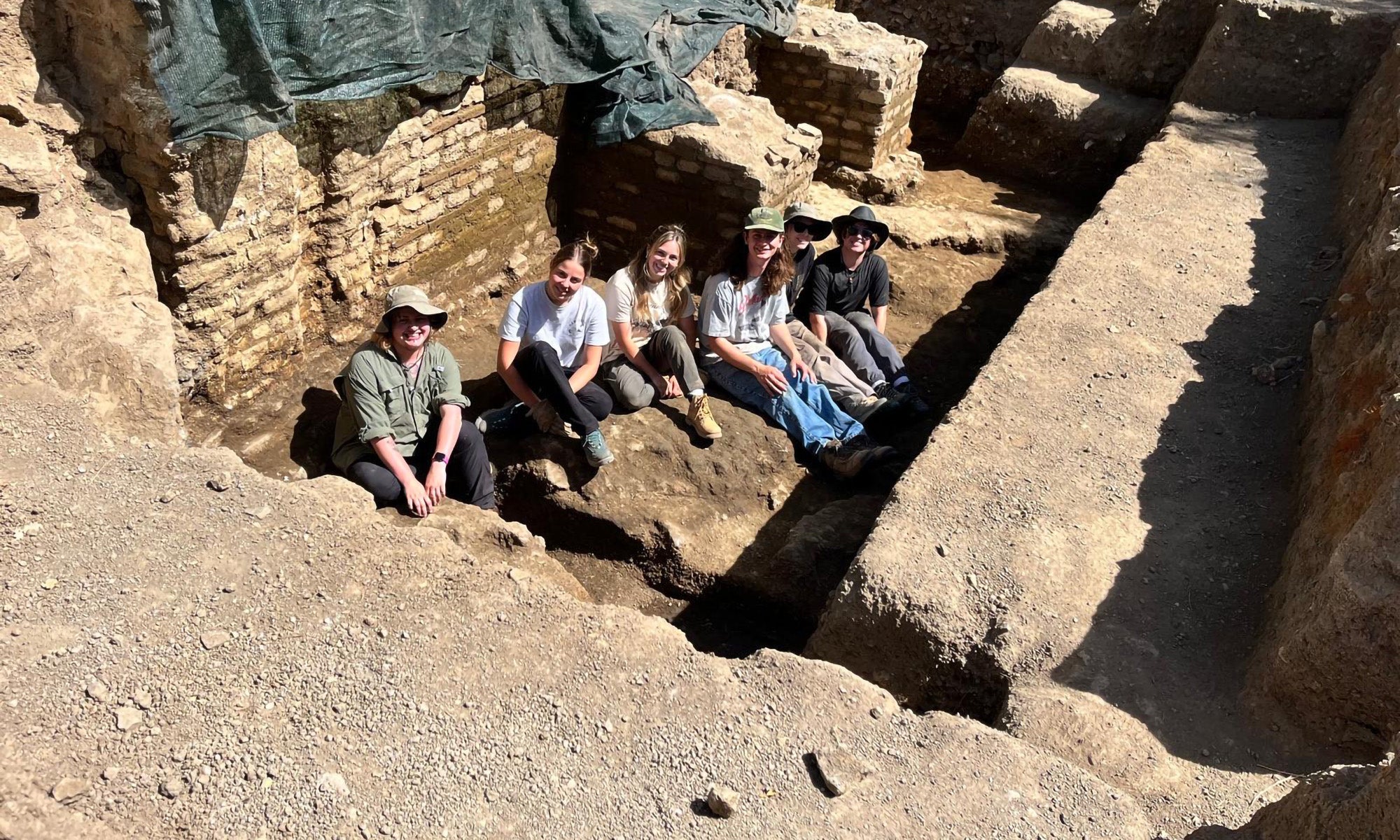
Explore archaeology and cultural heritage career paths through an internship or excavation (or two!).
Study Abroad
Study archaeology and cultural heritage in your chosen region to enhance your language skills and build your career network. Conduct research on a traditional semester abroad or take a summer internship in another country.
Summer Scholars
Delve into independent research through our Summer Scholar program. All Summer Scholars receive a stipend and a housing allowance plus supplemental funds for research expenses.