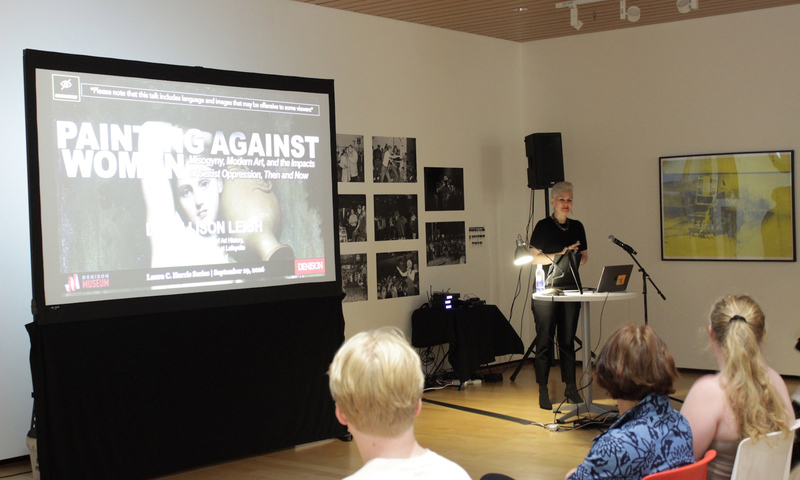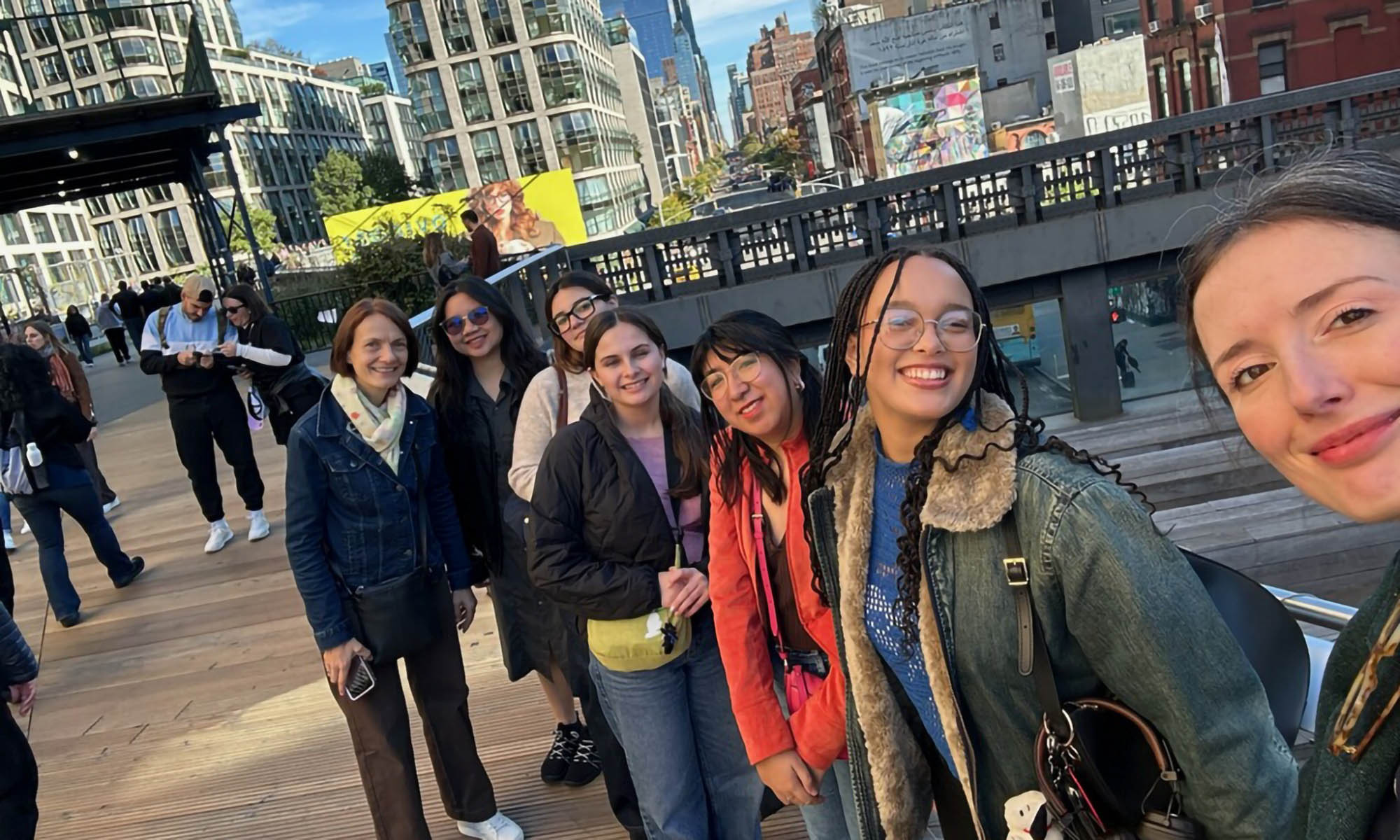
Learning art history brings to mind memorizing paintings and painters. It’s a lot more than that for Denison’s art history and visual culture (AHVC) majors.
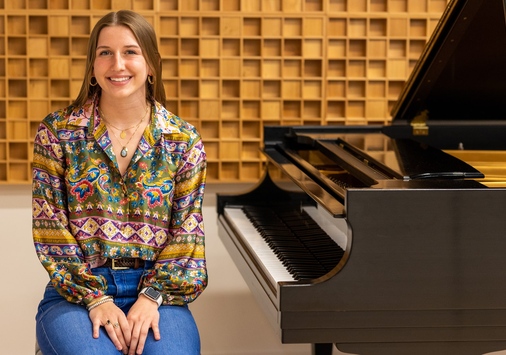
“What you get out of art history is more than just the ability to look at art,” Hannah Stebbins ’28 said. “It’s a way of thinking.”
Stebbins is a current AHVC major. Like many majors at Denison, the field takes a multidisciplinary approach.
“Even just the way I look at art now is so different from before … Now it’s like, ‘Oh, that’s actually a symbol for something, and that can tell us this,” Stebbins said.
AHVC at Denison is a major that examines art in ways that seek to pair learning history and interpretive skills. Majors take history-based courses that center different time periods but also are encouraged to learn how to better interpret the visual world around them.
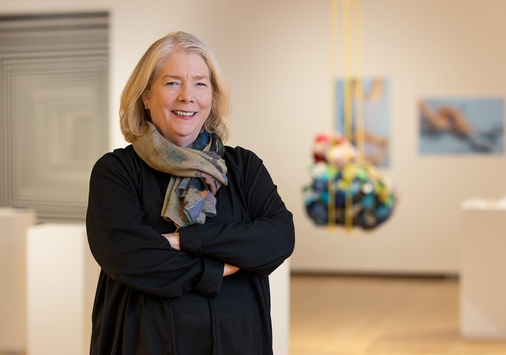
Associate Professor Catherine Stuer, the chair of the AHVC department, describes the major as examining different ways of seeing — a way of stepping out of personal experience into more collective ideas.
The images that students interpret include anything visual and material that is human-made, from classical work to modern symbolism like memes in social media. Within these interpretations, students are taught to recognize that images encapsulate hopes, desires, and complex human relations rather than seeing images as pure messaging systems.
There isn’t an end goal when students are interpreting work. The importance, according to Stuer, is the significance of trying to understand images around us because to not engage with the world of sensory, visual experience is reductive.
“We would lose sight, literally, of who we are in the world,” Stuer said.
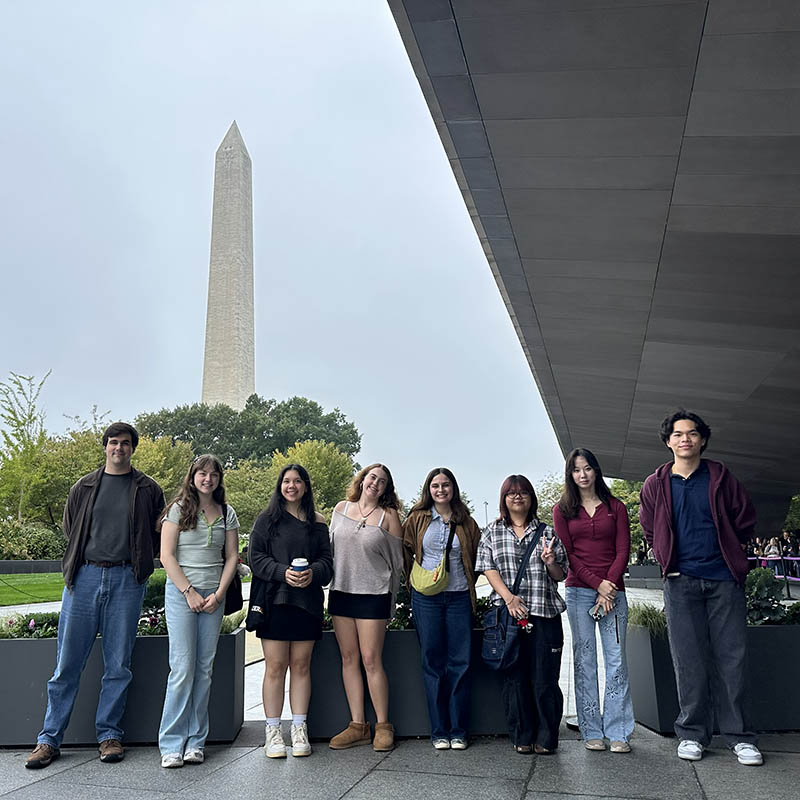
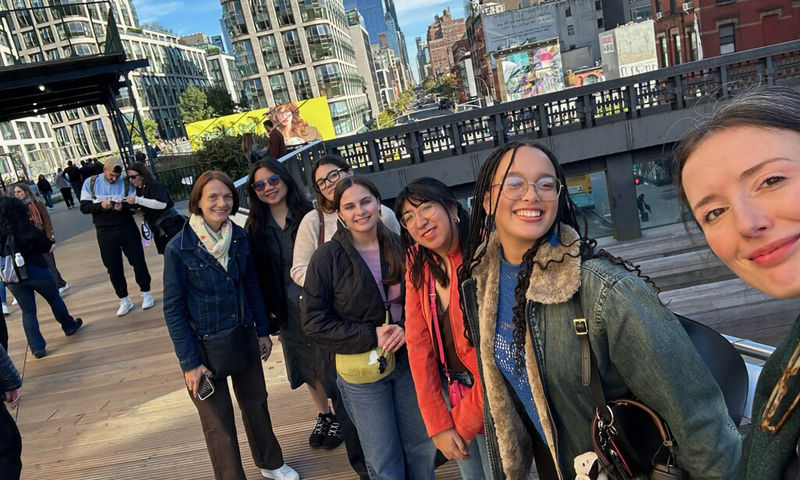
AHVC students in Washington, D.C.
AHVC courses also help students avoid passive consumption, as Stuer describes it, as someone might do when they scroll on social media. And with the rise of artificial intelligence, Stuer says the reasons to analyze the visual world are just as important, if not more so.
“What are AI-produced images from in the first place?” Stuer said. “Can you ask that question without thinking about the history of image-making in various forms, especially mechanical? If you can’t parse that, you can’t critically think about it.”
While students often come to the AHVC major because of their love for art, many stick with it because they enjoy developing different ways of seeing the world.
Stebbins has found that AHVC applies in many different and unexpected ways to what she’s learned in biochemistry. She said it has helped her reaffirm the human element when working in the medical profession.
“You’re talking to patients, not just solving a problem,” Stebbins said.
Students in the major also visit places like museums. AHVC’s small class sizes allowed Stebbins to work directly with the department to organize a trip to the Cleveland Museum of Art, where she visited a lab focused on conserving art with science-based methods that closely aligned to her studies in biochemistry.
“My brain was so happy because everything was being used at once,” Stebbins said. “Sometimes you have to flip the switch out of chem mode into thinking mode. But there, it was a happy medium.”
Another AHVC major, Grace Smothers ’27, said that she has also enjoyed the field trips, where she could closely examine a canvas in person.
“There’s a huge importance in being able to see things up close because you miss a lot of details just looking at a picture online,” Smothers said.
Majors must produce a 25- to 30-page senior thesis and present it at the annual senior symposium. The topics of these theses are up to the discretion of the students, and many majors choose a topic that aligns with their interests. Smothers is considering a focus on early 20th-century modern art and gendered agency, particularly with respect to women artists.
While she suspects the presentation will be daunting, she recognizes its importance and value.
Stuer said that the skills students learn through their analyses are “highly transferable” after graduation.
“The skills of writing, of thinking through complex questions, and analyzing the visual world apply in all kinds of ways,” Stuer said.
She noted that AHVC majors have found jobs at museums, investment banks, architectural bureaus, and auction houses.
Smothers is leaning toward graduate school, possibly a master’s degree to set her up for a job in the museum industry or academia.
“Both my professors are great mentors for me and have kind of helped guide me in terms of what opportunities there are outside of Denison,” she said.