Golf Course Renovation
Through the generosity of donors, this Donald Ross golf course will be renovated and restored by golf architect Gil Hanse, while remaining a welcoming public course.

Opened in 1925, the Denison Golf Club was originally designed by legendary golf course architect Donald Ross (1872–1948).
The Scottish-born architect designed or remodeled hundreds of courses, including Pinehurst No. 2 in North Carolina and Seminole in Florida. In 2014, Denison took ownership of the course.
The Denison Golf Club has long been regarded as a hidden gem among golf architecture enthusiasts. The public course has given Denison’s golf teams a distinct home-course advantage while serving as an important gathering place for Denison and the surrounding community.
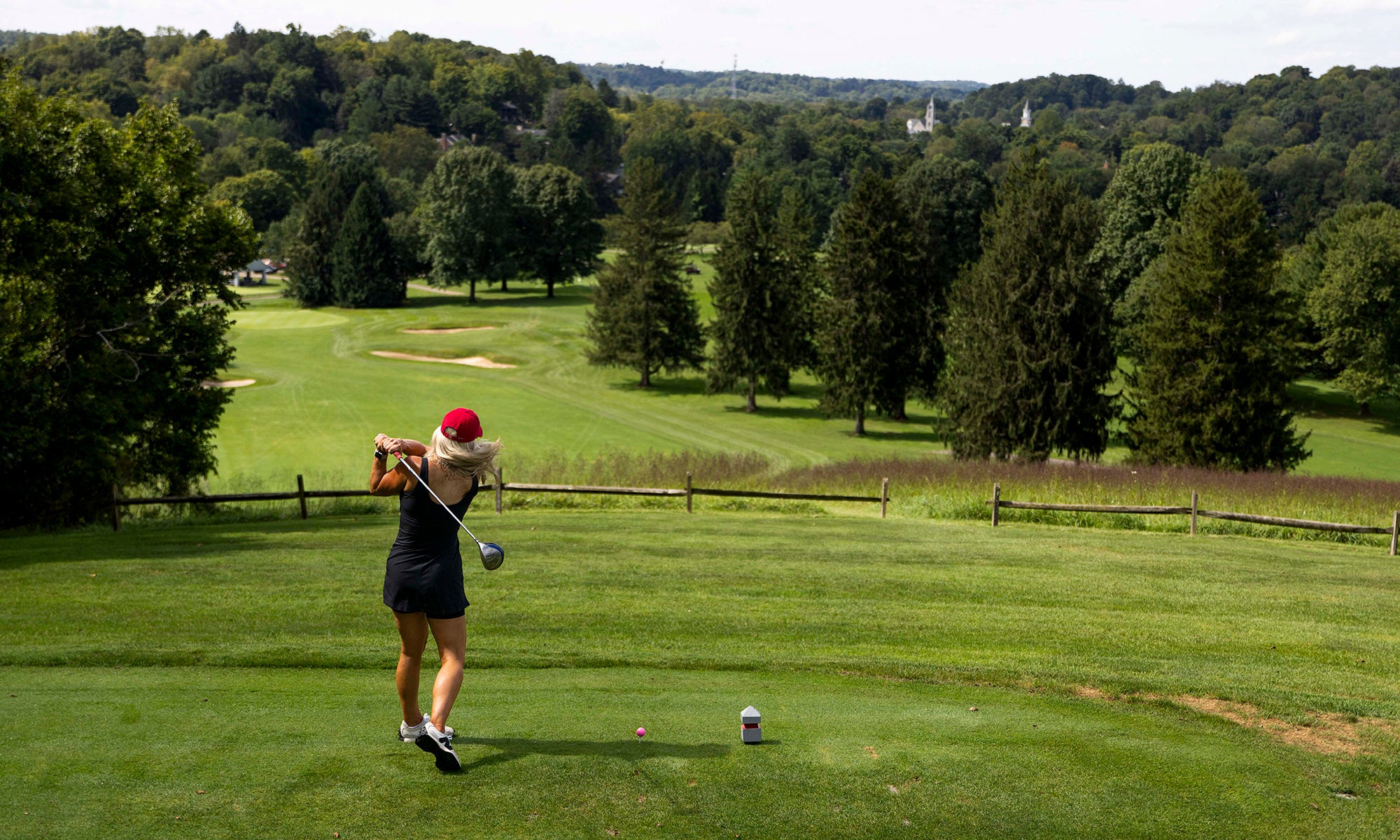
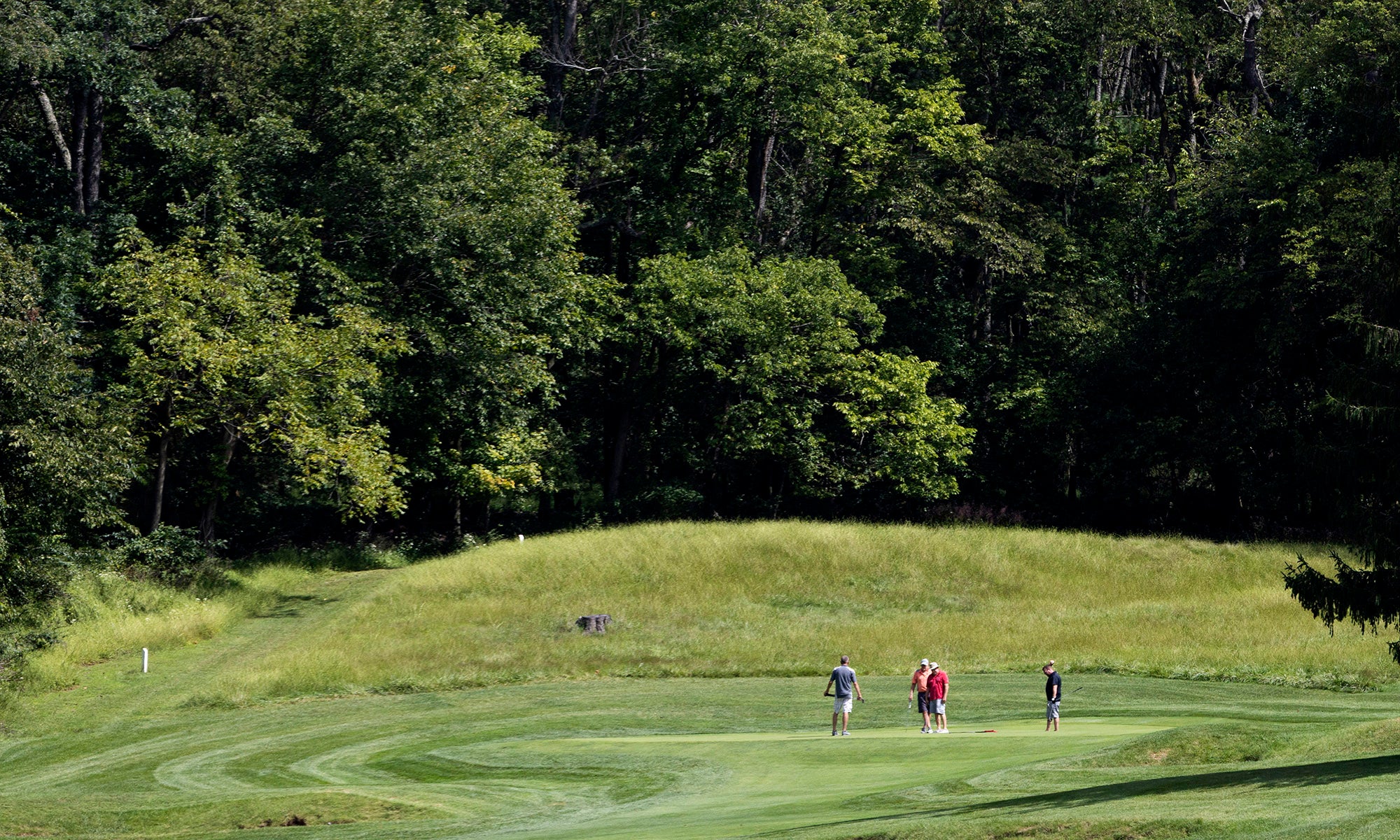
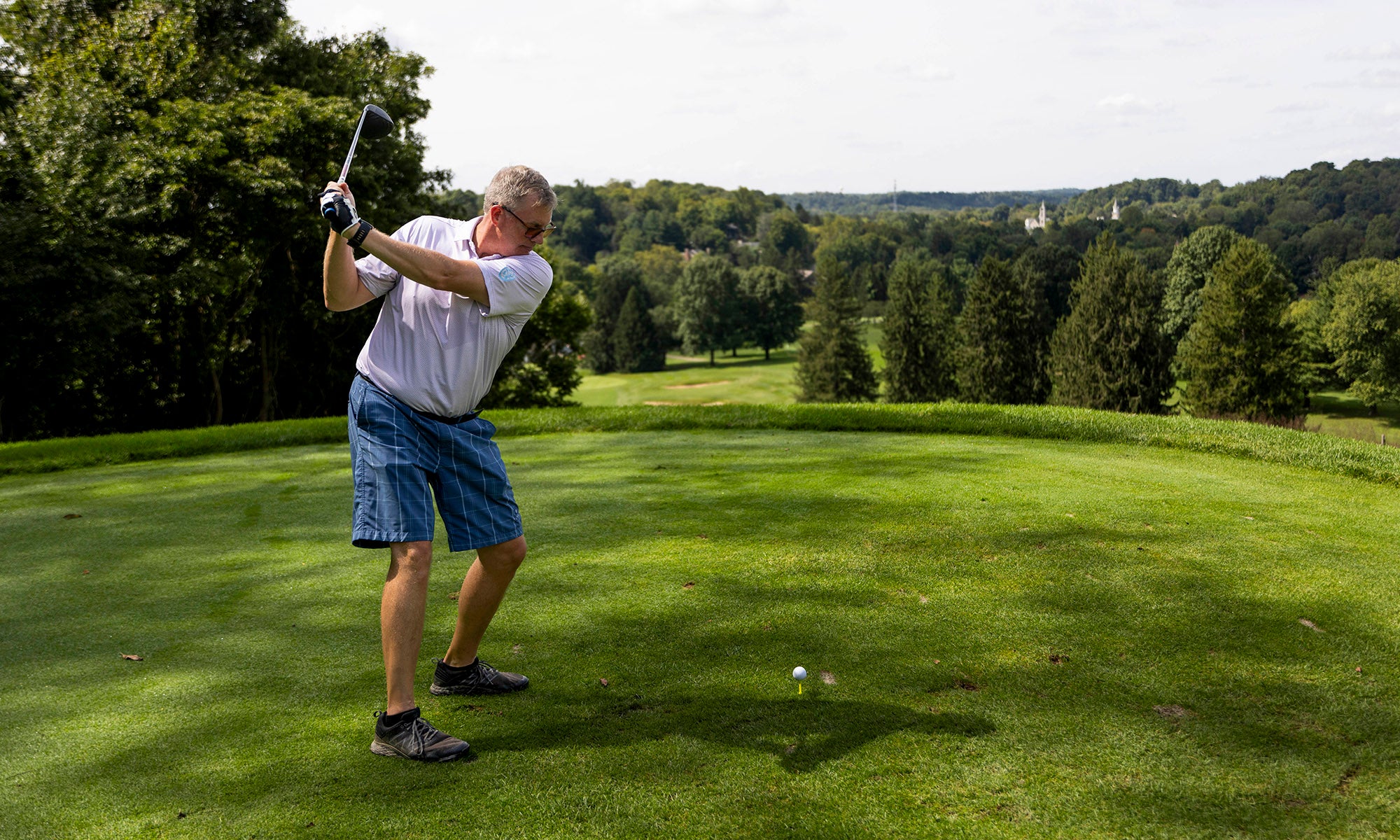
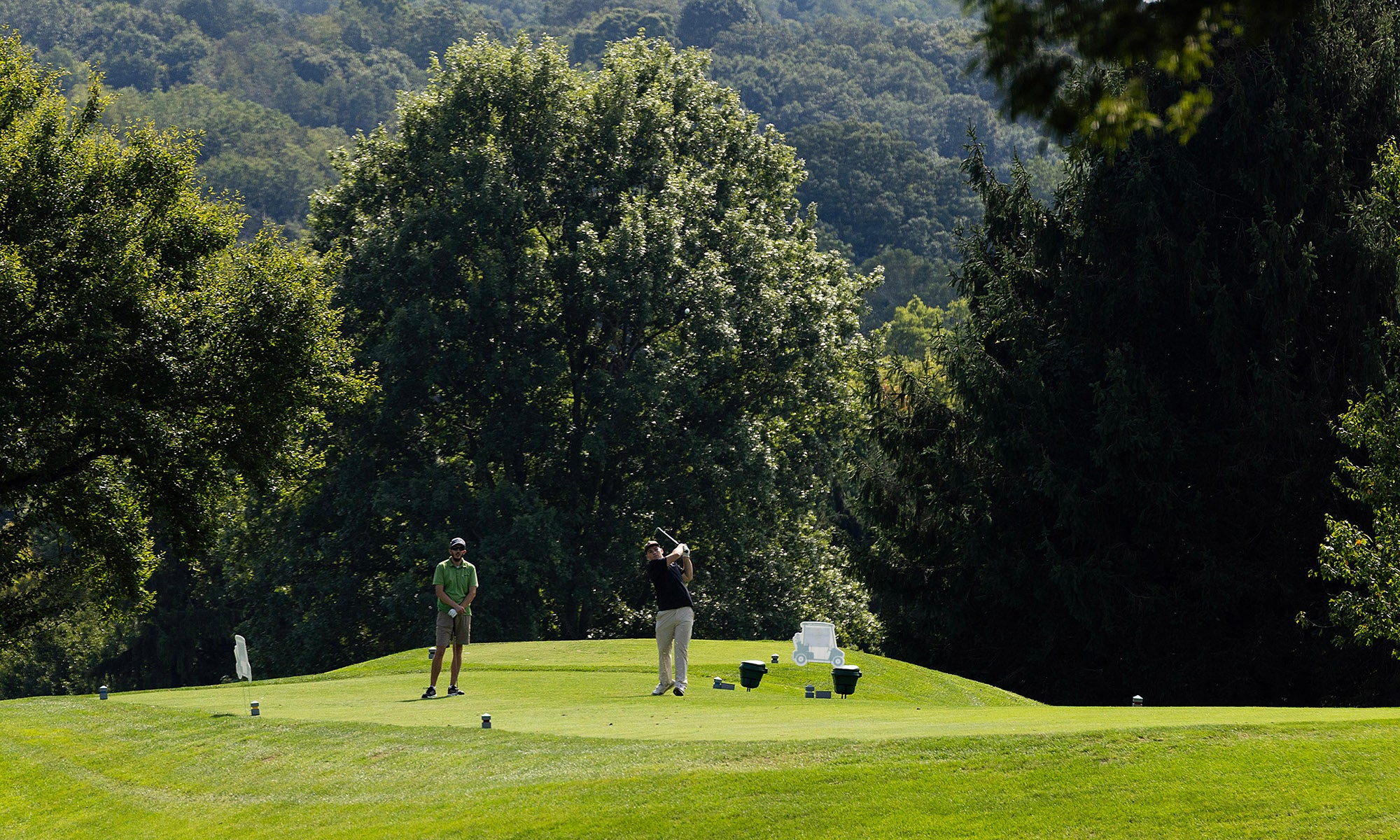
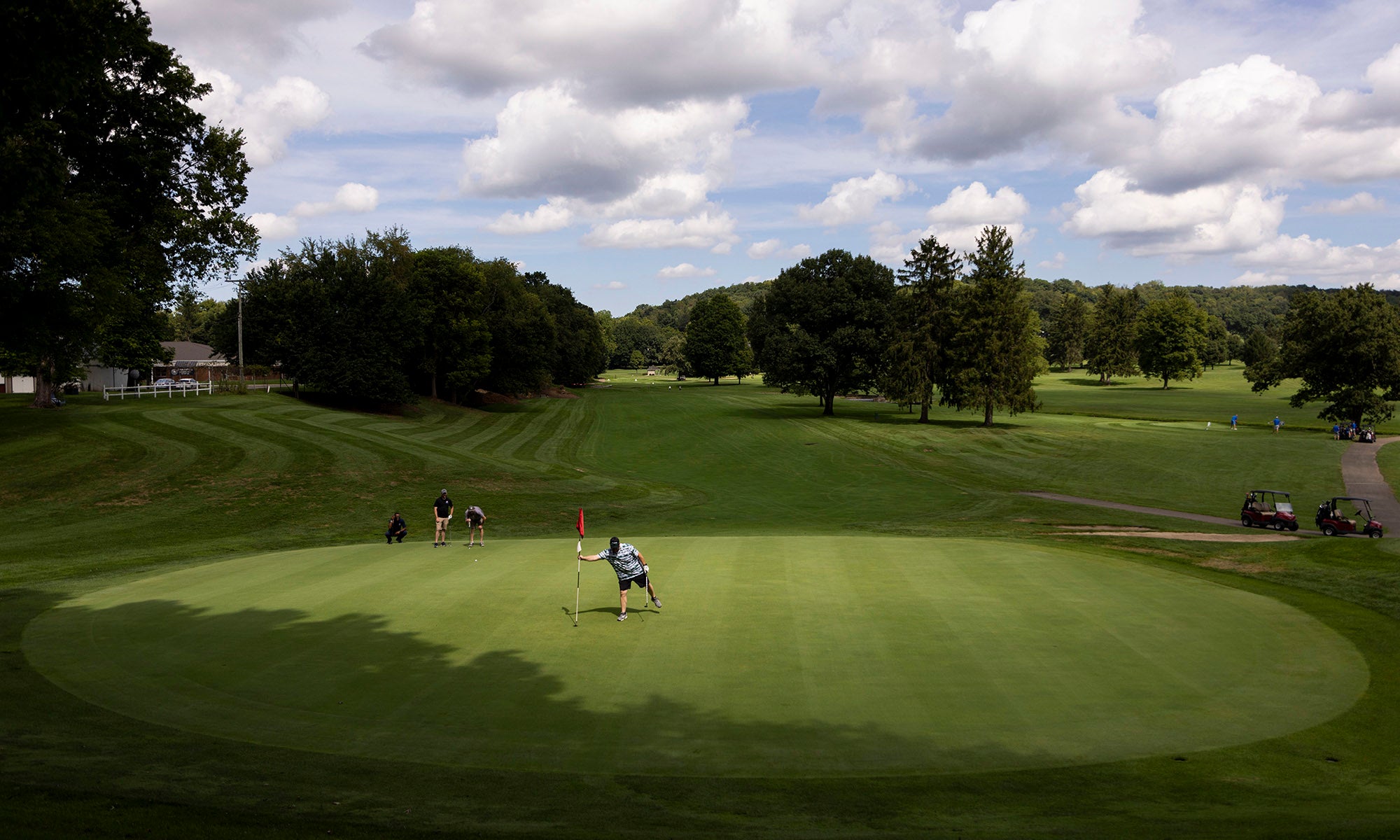
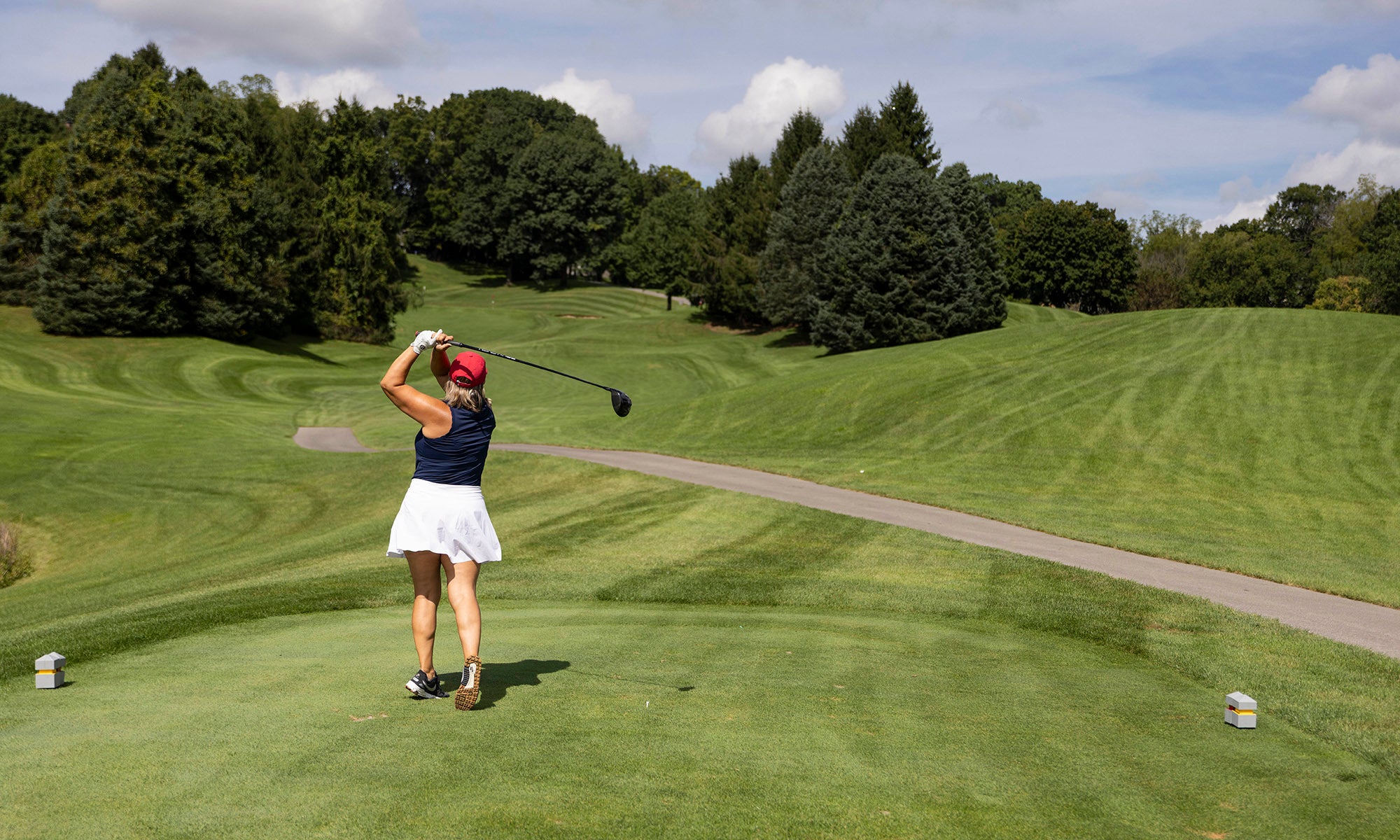
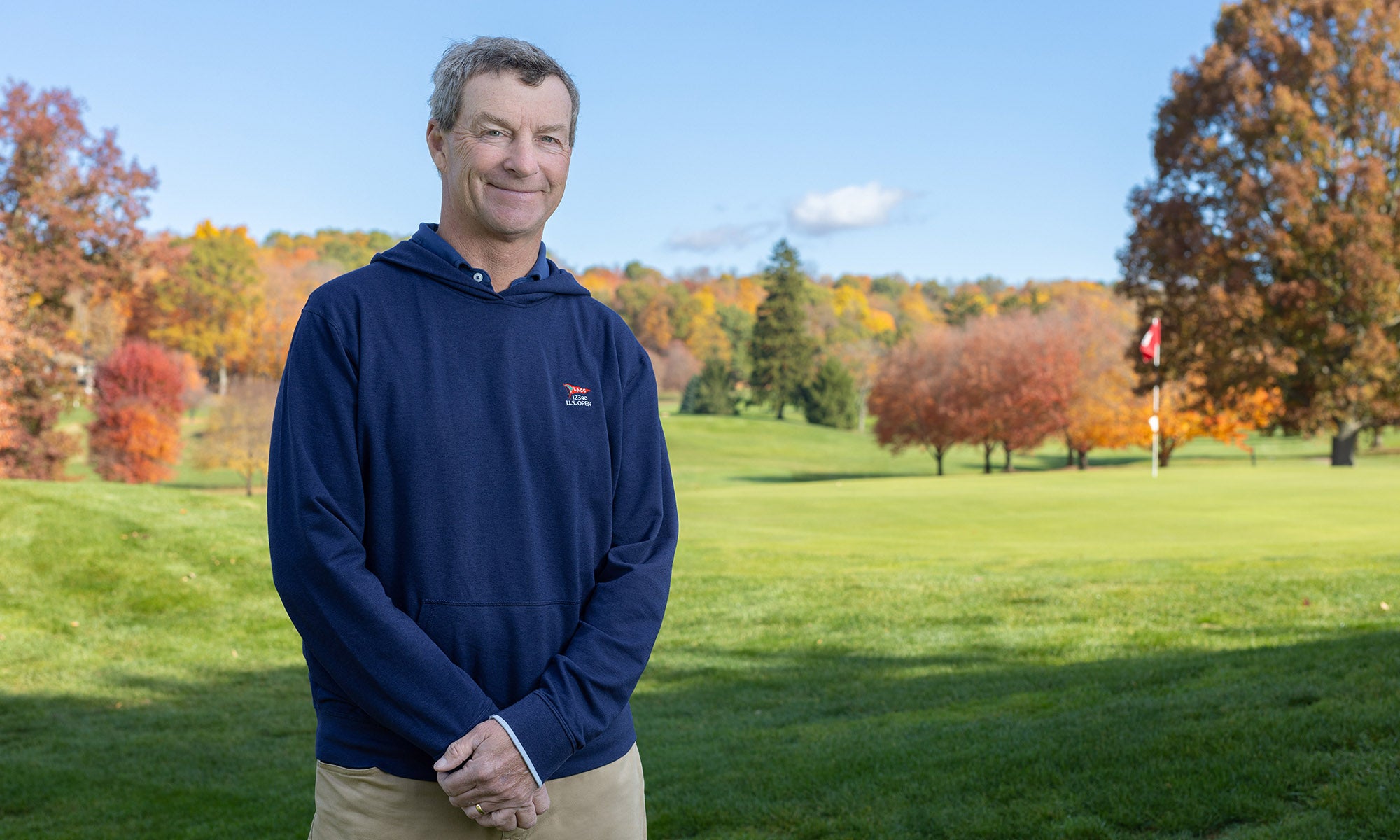
“Denison has a Donald Ross golf course, and it is very rare that you find a school with an asset like that,” said Gil Hanse. “The course has great bones, and our goal is to work on the soft tissue of the course — the greens, the bunkers, the width of the golf holes, the corridors to play through. Essentially, we want to restore the character, the interest, and the playability of the original Donald Ross course.”
The course, which was acquired in 2014, is now more than 100 years old and requires extensive renovation and restoration to remain viable and true to Ross’s original design. Denison has engaged nationally acclaimed golf course architect Gil Hanse to update and renovate the course while also returning it to its original design intent, aligned with Ross’ philosophy of using the natural rolling terrain to create settings for each hole.
“We have an ethical obligation to retain the special qualities of this historic course that is so important to our community, and to keep it open to the public,” said Denison President Adam Weinberg. “The intent of this project is to raise funds from donors to renovate and restore it in ways that honor the original Donald Ross design and are good for the college, the surrounding community, and the golf community.”

This project brings together one of golf’s most influential historic designers and one of today’s leading restoration architects.
About the course
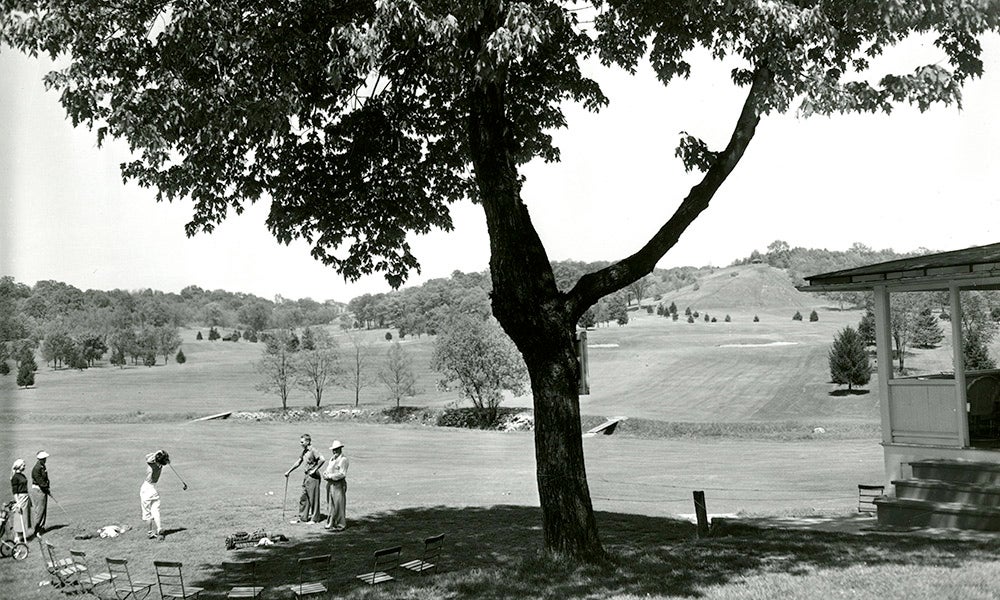
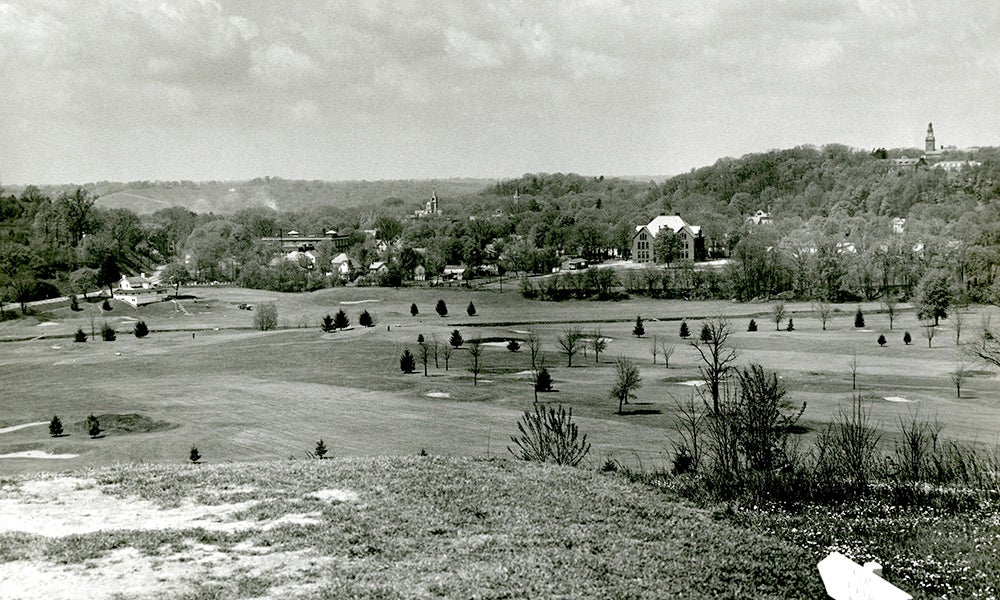
In 1922, local railroad and coal magnate John Sutphin Jones entered into a development pact with the Village of Granville to build the Granville Inn and Golf Course. Jones then commissioned Ross, who was both a professional golfer and known as a virtuoso of golf course design — having laid out over 400 golf courses in the early 1900s — to design and build the course.
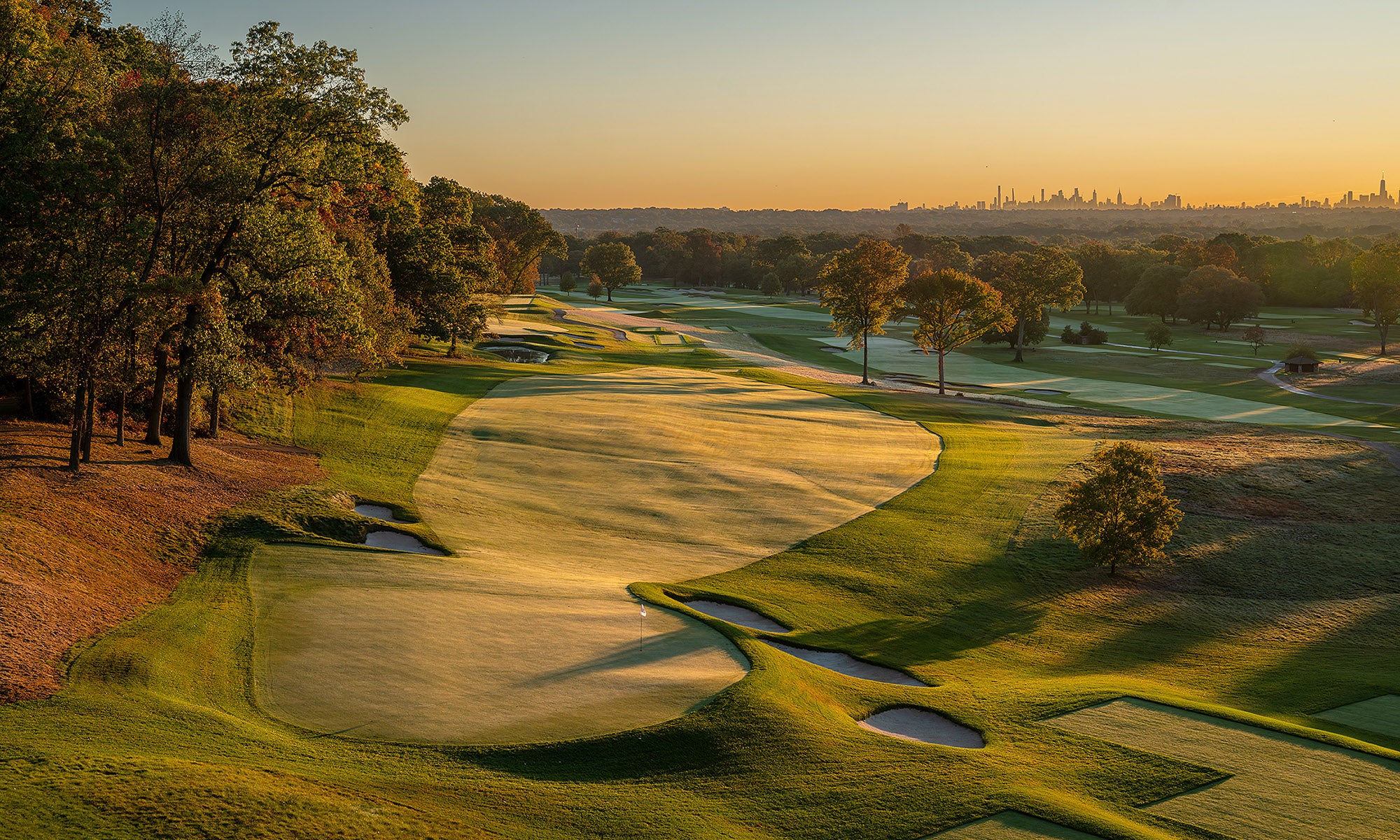
Ross never hesitated to borrow from the landscape to enhance the seaside links in his homeland of Scotland. Denison Golf Club, with its 63 artfully placed sand bunkers and elevated and rolling greens, is no exception. Granville’s hilly terrain provided opportunities for Ross to articulate what was perhaps his greatest concept in design — never contrive a hazard when one can take advantage of an element nature has provided.
The course’s value is not merely its association with Ross’s name; it is in the surviving character of the land, routing, greens, hazards, and playing strategies. The significant amount of original Ross architecture that remains is increasingly uncommon and central to what makes the Denison Golf Club special. The course has also been played by golf greats Walter Hagen, Gene Sarazen, and Chick Young.
Hanse renovation
Gil Hanse has a history of helping recover and strengthen the original character of Donald Ross courses for modern golfers. Known for work that respects a site’s natural character and strategic intent, Hanse has helped shape and restore courses of lasting significance, including Yale Golf Course, Pinehurst No. 2, and the Olympic Golf Course in Rio de Janeiro. His approach is especially well-suited to the Denison course: preserving the character associated with Donald Ross while addressing the needs of contemporary golfers, modern maintenance, environmental responsibility, and long-term public access.
For Denison, Hanse’s role is to serve as a careful steward of a unique public golf resource — recovering, reinforcing, and interpreting its historic qualities so they remain relevant and enjoyable for future generations.
The donor-funded renovation will be the capstone in a series of improvements to golfing at Denison. It follows the opening of the Waddell Golf Facility, an indoor training center believed to be the only one of its kind in Division III, and the recruitment of Coach Lauren Grogan, Denison’s first full-time golf coach, to direct the golf program.

Project scope & timeline
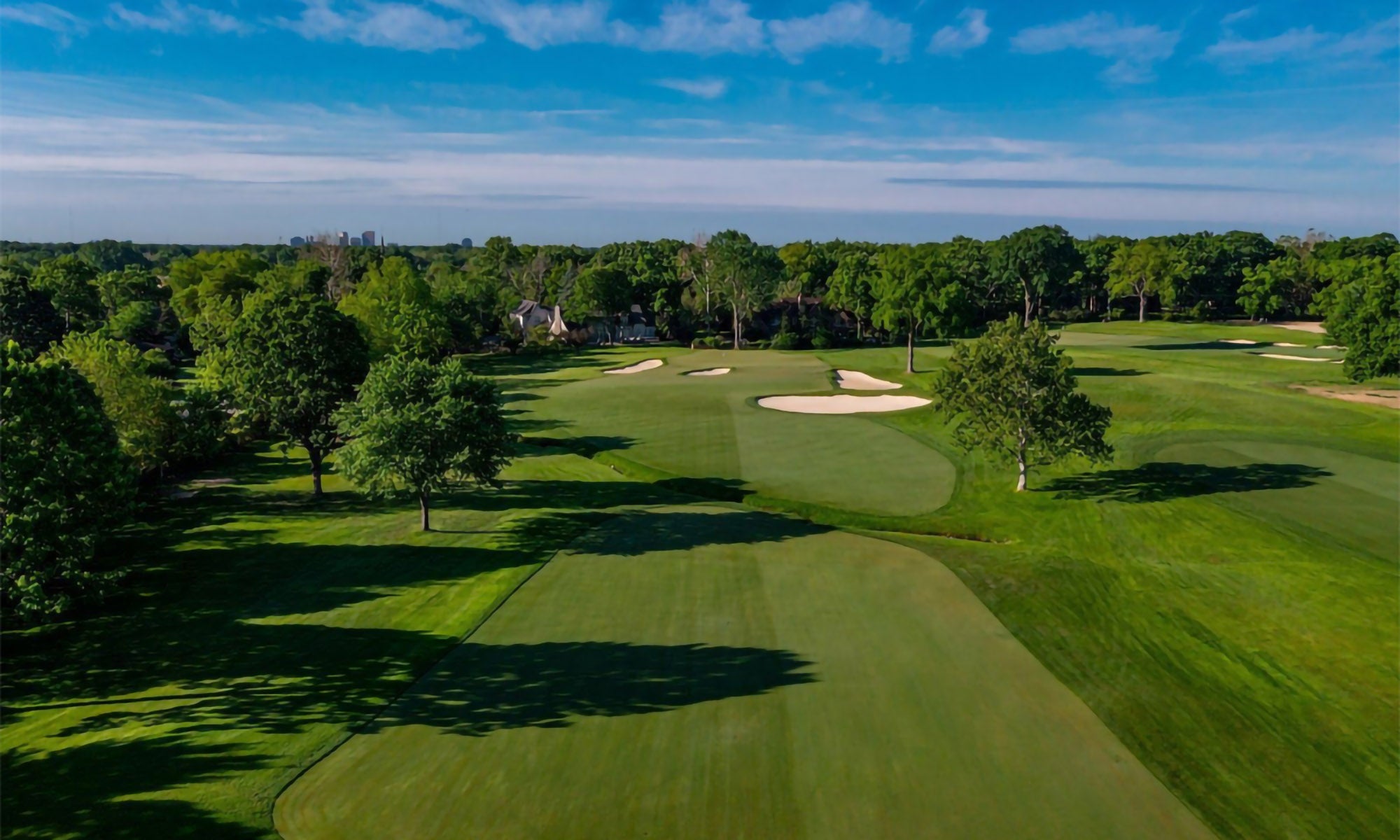
Much of the original Donald Ross course remains remarkably intact, particularly on holes 1-13, where the underlying routing and shaping have largely survived for more than a century. Over time, however, fairways have narrowed, trees have grown into historic playing corridors, many bunkers have been lost, and the green surfaces have reduced. The architectural features from the original green pads are there to be rediscovered. The course also has significant deferred maintenance needs, particularly with drainage, irrigation, tree management, bunkers, and turf conditions. Addressing these needs will be essential to restoring the course’s long-term health, playability, and character.
Hanse Golf Course Design’s master plan builds upon those remarkably intact “bones.” The plan restores key elements of Ross’s original design while thoughtfully interpreting his architectural intent for the modern game.
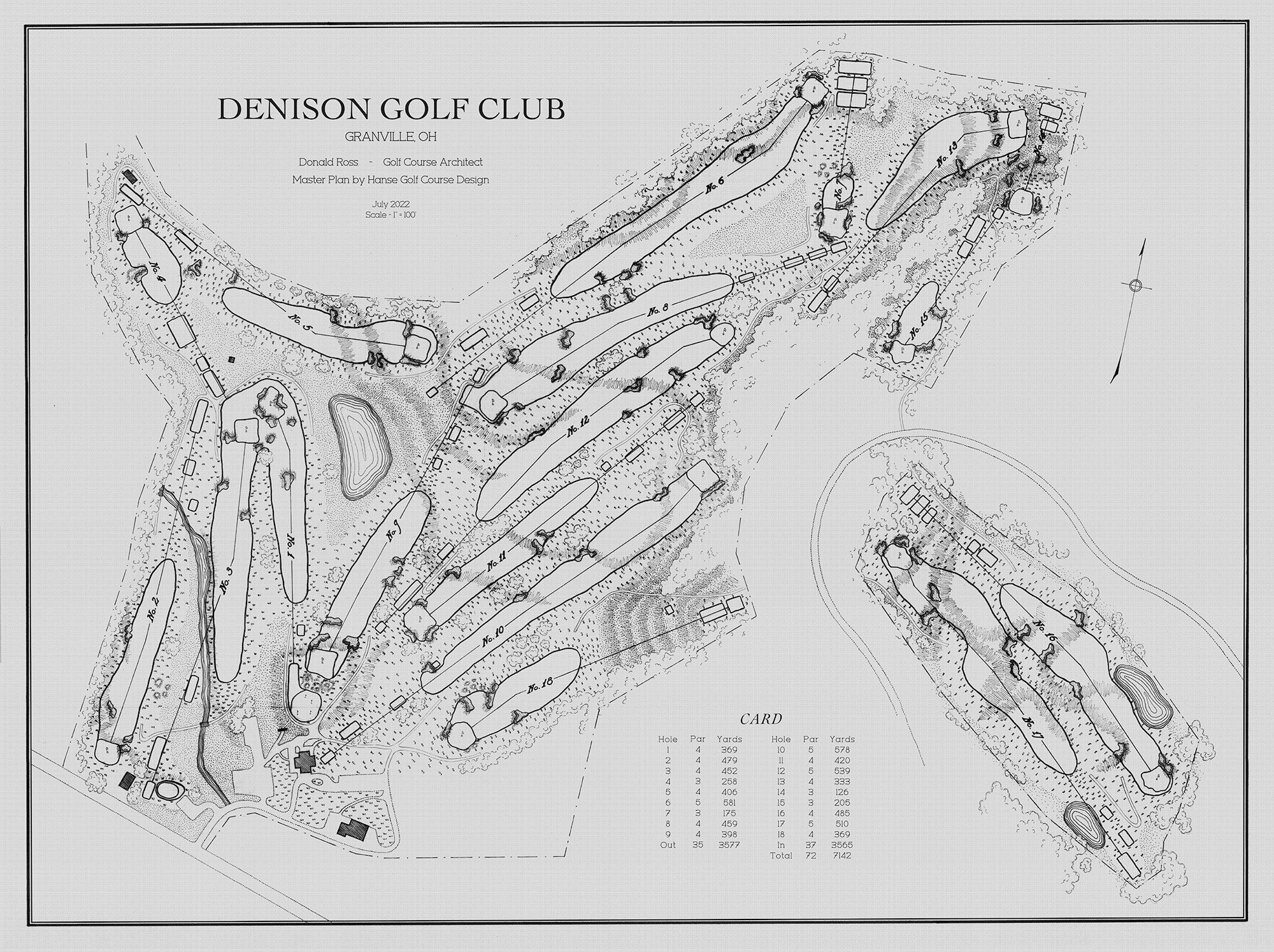
Hanse Golf Course Design’s master plan
The full master plan includes widening fairways, reopening historic playing corridors, restoring and adding bunkers, expanding and reshaping greens, improving sightlines, and addressing the infrastructure needed to sustain the course for the future. Together, these donor-funded improvements will restore the character and strategic intent of the original design while creating a better golfing experience. On holes 14–18, where portions of the original Ross design were lost or substantially changed through residential development, the work will be more extensive.
Phase 1 will occur in three general periods of activity. Tree removal is anticipated to begin in late 2026/early 2027, outside the Indiana bat nesting window and weather permitting. The course will remain open for play following that work. The balance of Phase 1 will begin when the course closes in June 2027 and will include shaping, restoration, drainage and irrigation improvements, and other infrastructure work. Regrassing will begin as that work progresses in late summer and early fall 2027, followed by a grow-in period through spring 2028. The course is expected to reopen in spring 2028, weather permitting. Denison’s golf teams will practice and compete at other courses during the closure.
Phase 1
Holes 1-13
Work on holes 1–13 will begin the restoration envisioned in the Hanse master plan while addressing needed infrastructure and turf improvements. Work will include:
- Replacement of failing drainage mains and select drainage improvements
- Improvements to the existing irrigation system
- Re-grassing of fairways and greens
- Restoration of fairway widths
- Restoration of select historic fairway bunkers as funding allows
- Repair or resurfacing of existing cart paths where necessary
- Strategic tree removal to improve turf conditions and tree health, reopen historic playing corridors and sightlines, support fairway widening, and restore the character and intent of Donald Ross’s original design
Holes 14-18
The original Donald Ross closing holes were substantially altered by adjacent residential development, resulting in the loss of several original holes. Today, holes 15, 16, and 17 retain little of Ross’s original character. Hanse Golf Course Design will draw upon the design principles and features of holes 1–13 to recreate the character and strategic intent of the original Ross design, where historic features have been lost.
Work on holes 14-18 will include:
- Grading and shaping necessary to establish appropriate golf course features and playing conditions
- Construction of new greens, tees, fairways, bunkers, and playing corridors
- Installation of new drainage and irrigation infrastructure
- Repair and construction of new cart paths
- Strategic tree removal to accommodate necessary grading and shaping, restore appropriate playing corridors and sightlines, improve turf conditions and tree health, and support the architectural character of the course
Subsequent phases
The full Hanse master plan includes additional restoration work beyond the current Phase 1 scope. Subsequent phases will continue the restoration of the course, including additional work on holes 1-13, such as expanding and reshaping green surfaces and surrounds, restoring and adding bunkers, and implementing other elements of the master plan. The scope and timing of those phases have not yet been determined.
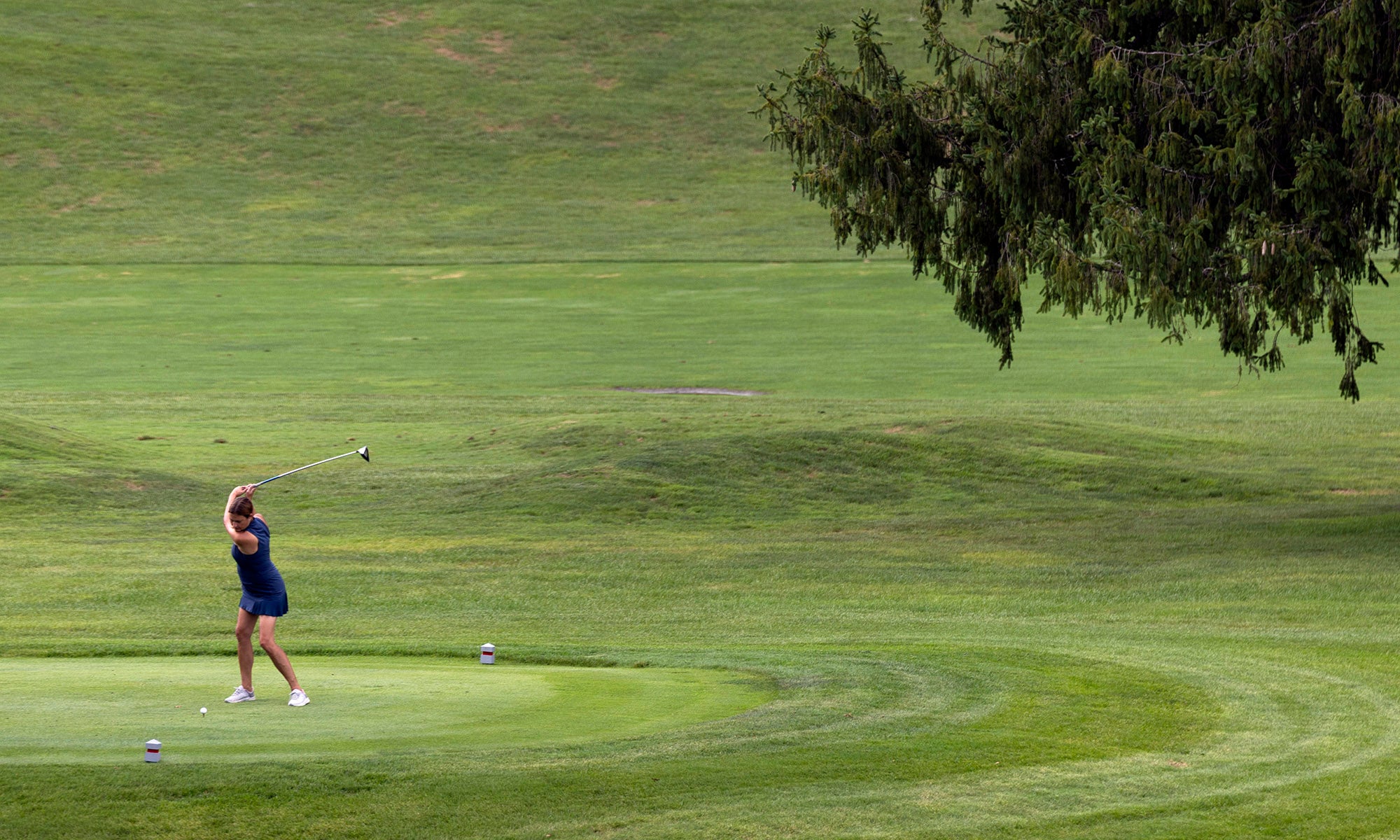
A community asset and regional destination
The collaboration with renowned architect Gil Hanse represents a transformative opportunity to elevate the course to its full potential. Hanse’s meticulous restoration approach will honor Ross’s original vision while incorporating modern course management practices, ensuring the layout remains challenging, fair, and visually stunning for golfers of all skill levels.
Upon completion, the renovated Denison Golf Club will become a premier destination for the community and region, drawing accomplished golfers from across the nation and beyond, creating opportunities for Granville and the surrounding community to benefit from increased golf tourism. The donor-funded project will preserve and strengthen a historic community asset while ensuring this exceptional golf experience remains accessible to the public.

Denison’s golf programs
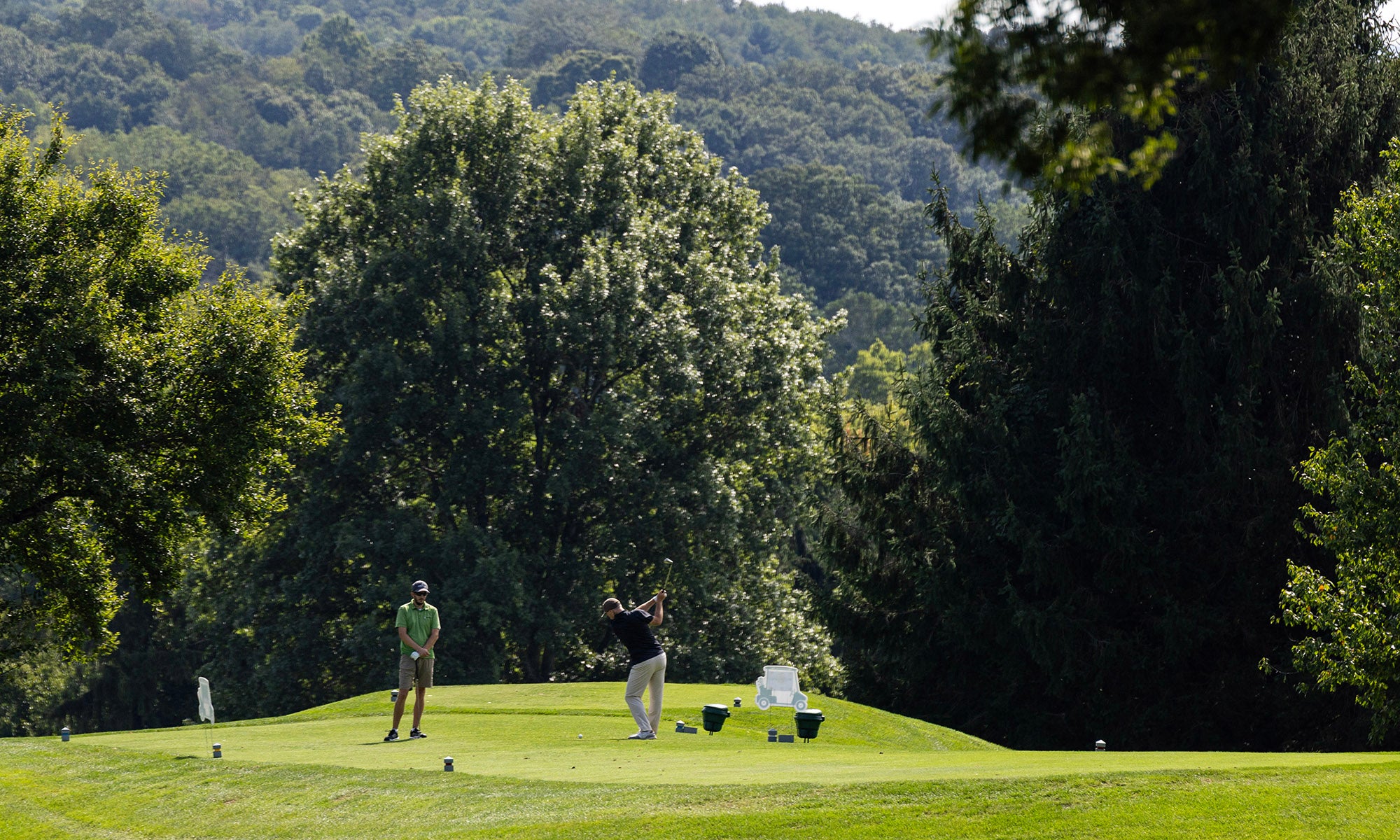
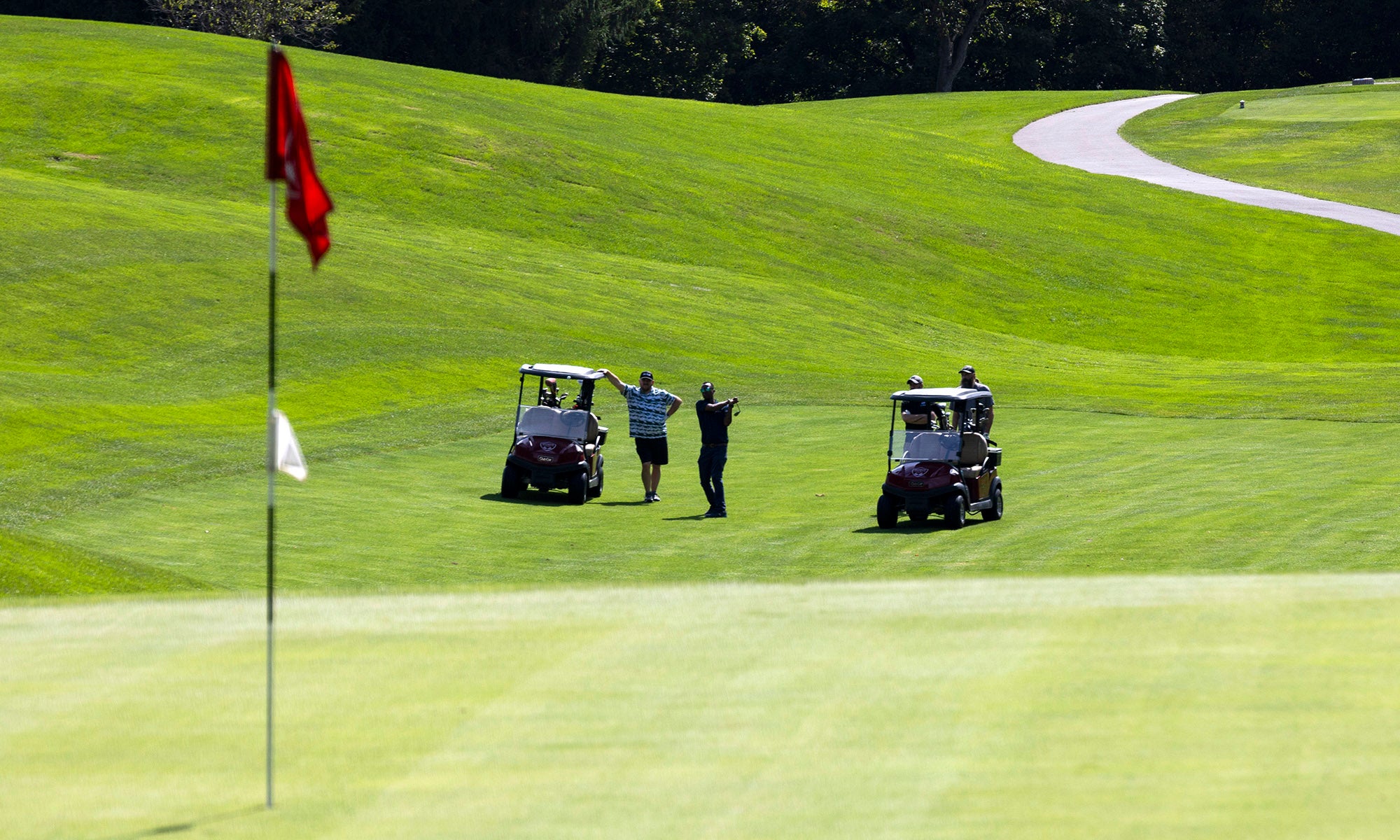
Denison Golf Club is one of fewer than 10 golf courses owned and operated by a Division III university, providing an important competitive and recruiting advantage for Denison’s golf programs. The renovation will restore important elements of Donald Ross’s original design while also adapting the course for today’s game.

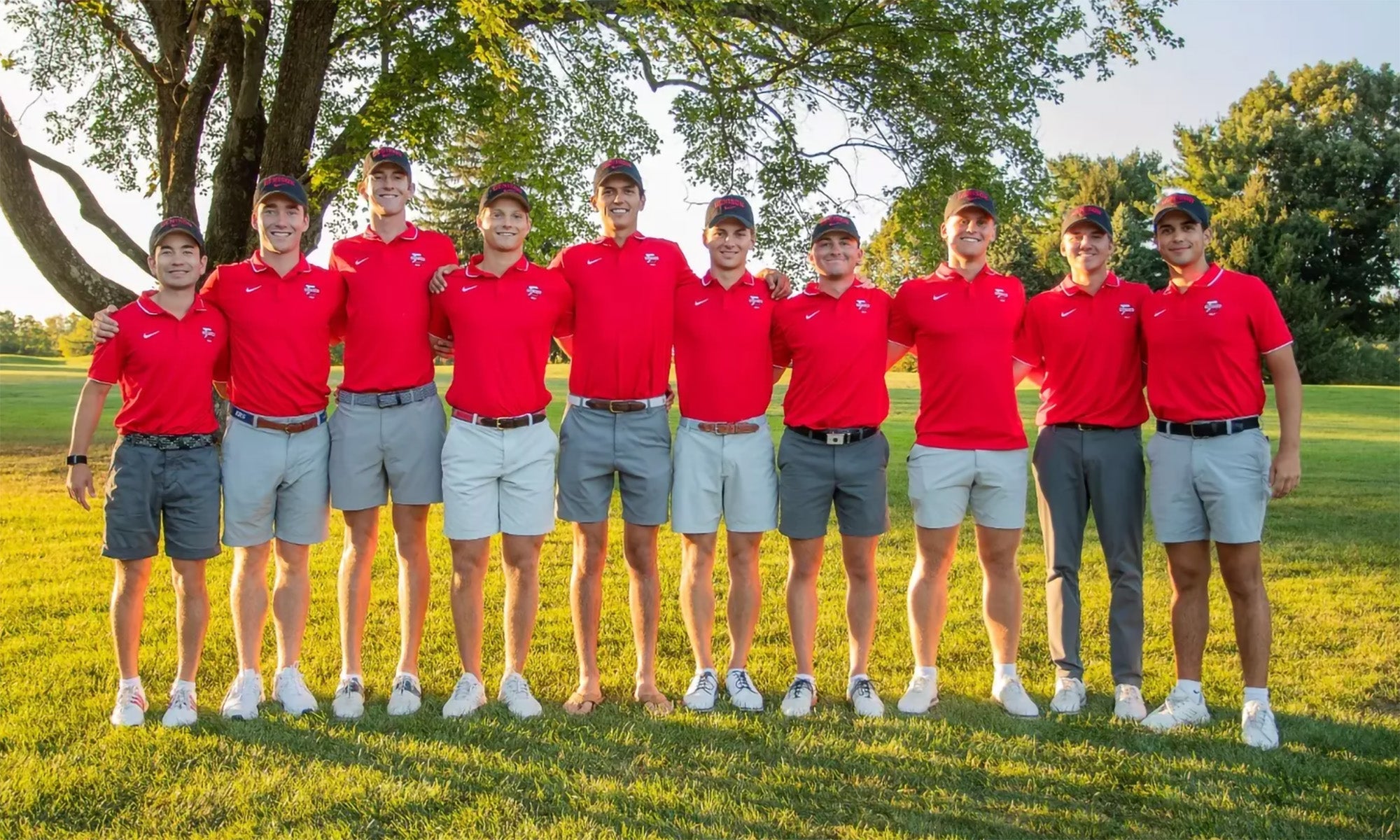
Members of Denison’s golf teams
When the full master plan is complete, the course will be able to play at more than 7,000 yards, providing the length, variety, and flexibility needed for modern collegiate competition and creating greater opportunities to host championship-level events. The improved course has the potential to host collegiate postseason events, premier junior tournaments, and other high-level competitions.
“In an increasingly competitive recruiting landscape, this distinction — combined with a renovation led by world-renowned architect Gil Hanse — positions us to become one of the quintessential DIII golf programs in the country,” said Lauren Grogan, Head Golf Coach at Denison University.
“Restoring our historic golf course to reflect the original architect’s intent will directly enhance our golf program. It is rare for a visit to campus not to be accompanied by questions about our potential restoration and the prestige of having Gil’s name on the project. With the competitive nature of recruiting, the renovated course surely would separate us from other like schools.”
The planned reshaping of the greens in this phase would create additional, varied hole locations that are essential for hosting high-level events and staging more versatile championship setups. For example, as it stands, the 17 greens currently available have about one-third of the usable greens for potential tournament locations. The renovation to holes 14-18 would add roughly forty feet of depth (not including width) to the green structures.
At its present overall length, the course no longer matches how far and how well today’s players hit the golf ball; these changes would ensure our athletes are training and competing on a course that truly prepares them for both college and elite competition. Present estimates show a gain of 200 yards for holes 14-18. Combining the current 16-17 into one long uphill par 5 will be a true test and finish to this championship venue.
In addition, an updated course that meets modern championship standards would position Denison to host regionals, postseason collegiate events, and premier junior tournaments, bringing greater visibility to Denison and Granville and elevating the overall student-athlete experience. With the ever-changing NCAA environment, there is potential for a regional postseason structure. Bringing a postseason event to Denison Golf Club would enhance Denison’s athletics brand and extend to the Granville community and beyond.