Denison Scientific Association: Assessing Sustainability Knowledge, Behaviors, and Skills in Higher Education
| Location: | |
| Ticket Info: |
Free
|
The field of sustainability is wide and varied, and preparing students involves teaching them about social equity, economic outcomes, and environmental outcomes, as well as helping them develop skills to integrate these ideas. Unsurprisingly, assessing the student knowledge and skills needed to successfully tackle sustainability problems is challenging — the knowledge is often context-specific, and efficient measures of knowledge integration are elusive.
In 2010, colleagues and I began developing an assessment of sustainability knowledge (ASK) that we went on to publish and has since provided a standard measure of student sustainability knowledge in university sustainability performance assessments. We later modeled the impact of ASK on sustainable behaviors, and found ASK was not a significant predictor of individual behavior, thus begging the question: what is the goal of sustainability education? Perhaps not individual sustainable behaviors, but the ability to work on teams and solve big problems.
To that end, another team of colleagues and I are working to understand the impacts of peer-to-peer learning in sustainability coursework, and how that shapes later senior experiences working on real-world problems. Initial findings suggest that carefully orchestrated group work led by experienced peers provides students with both content knowledge and a sense of connection at the university. Ongoing research includes direct assessments of senior experiences, as well as the skills gained by students who provide group leadership. Understanding the development of students within sustainability programs can inform curricula and better serve our students in an ever-changing world.
About the speaker:
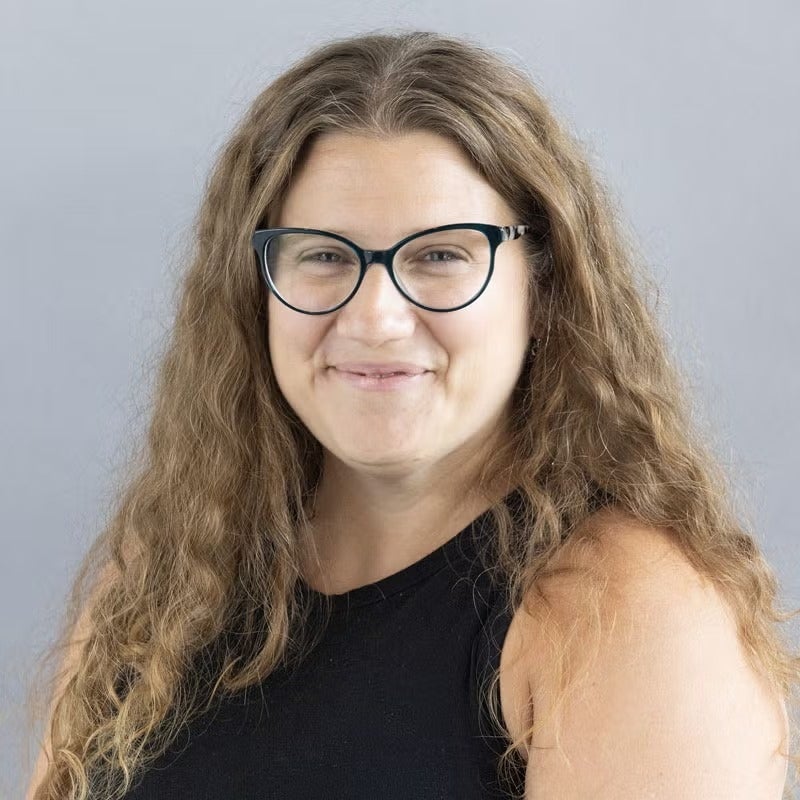
Dr. Kristina Slagle is a Visiting Assistant Professor in the Sustainability and Environmental Studies Program. She holds both a PhD and an MS in Environment and Natural Resources with a specialization in Environmental Social Sciences from The Ohio State University. While much of Kristina’s research is focused on the dynamics of decision-making under risk, especially as it pertains to fisheries and wildlife conservation policy, she also has years of experience teaching sustainability courses and assessing sustainability education and outcomes.