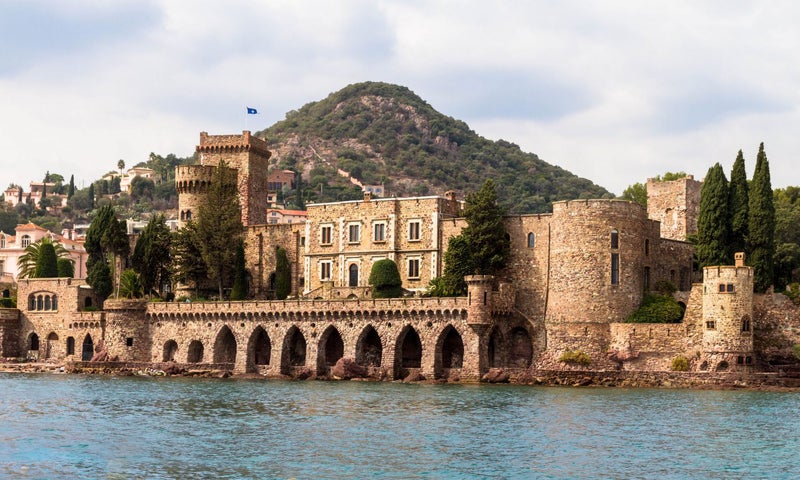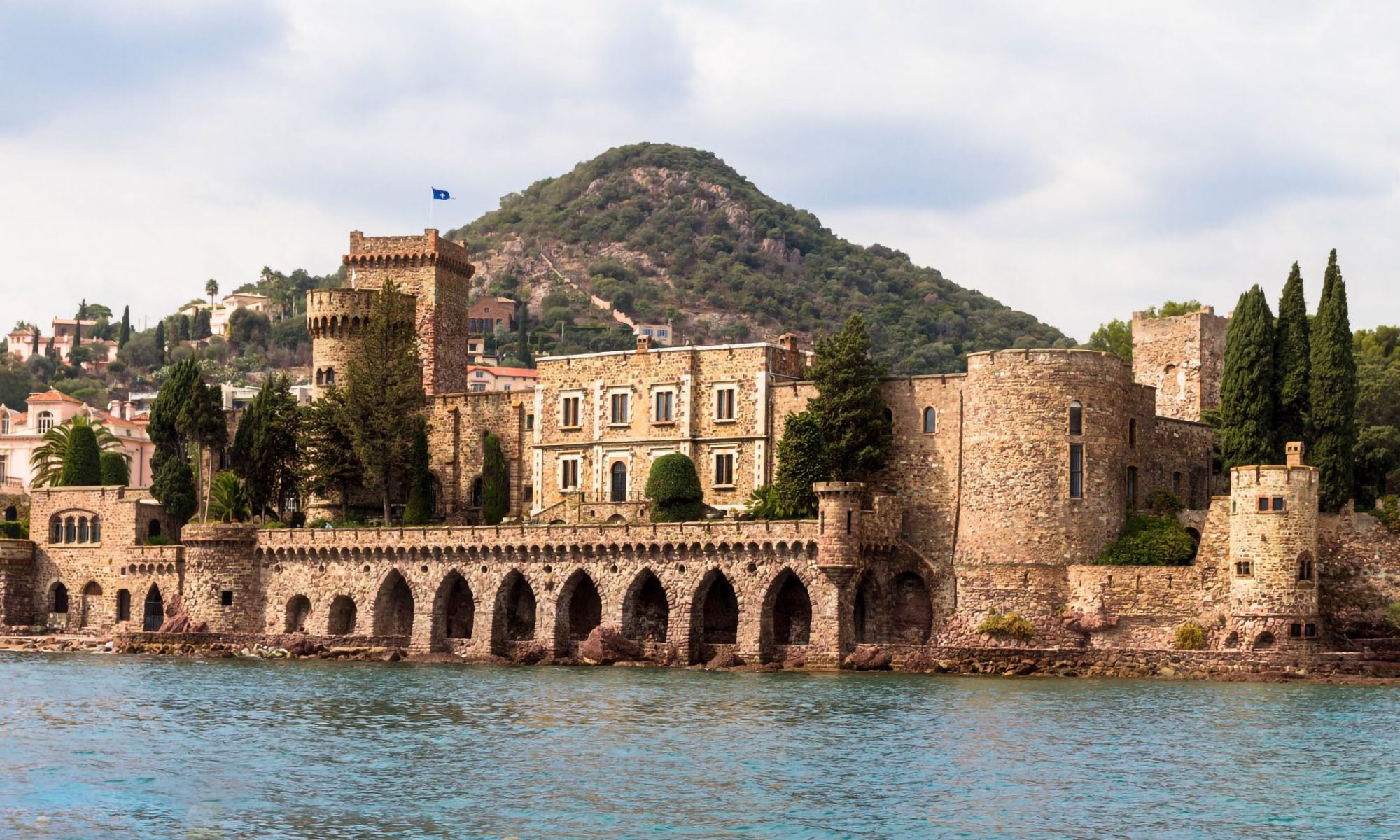
As artist-in-residence at Château de La Napoule in April 2026, Professor Sheilah ReStack was impressed by the history of the place.
“I was curious about how the symbol and history of a castle would still hold — undoubtedly although probably invisibly — queer, and other, minor histories and stories,” she said.
The castle founders, Henry and Marie Clews, had chosen to be buried on the property in elaborate tombs, with doors wedged open so their spirits could intermingle.
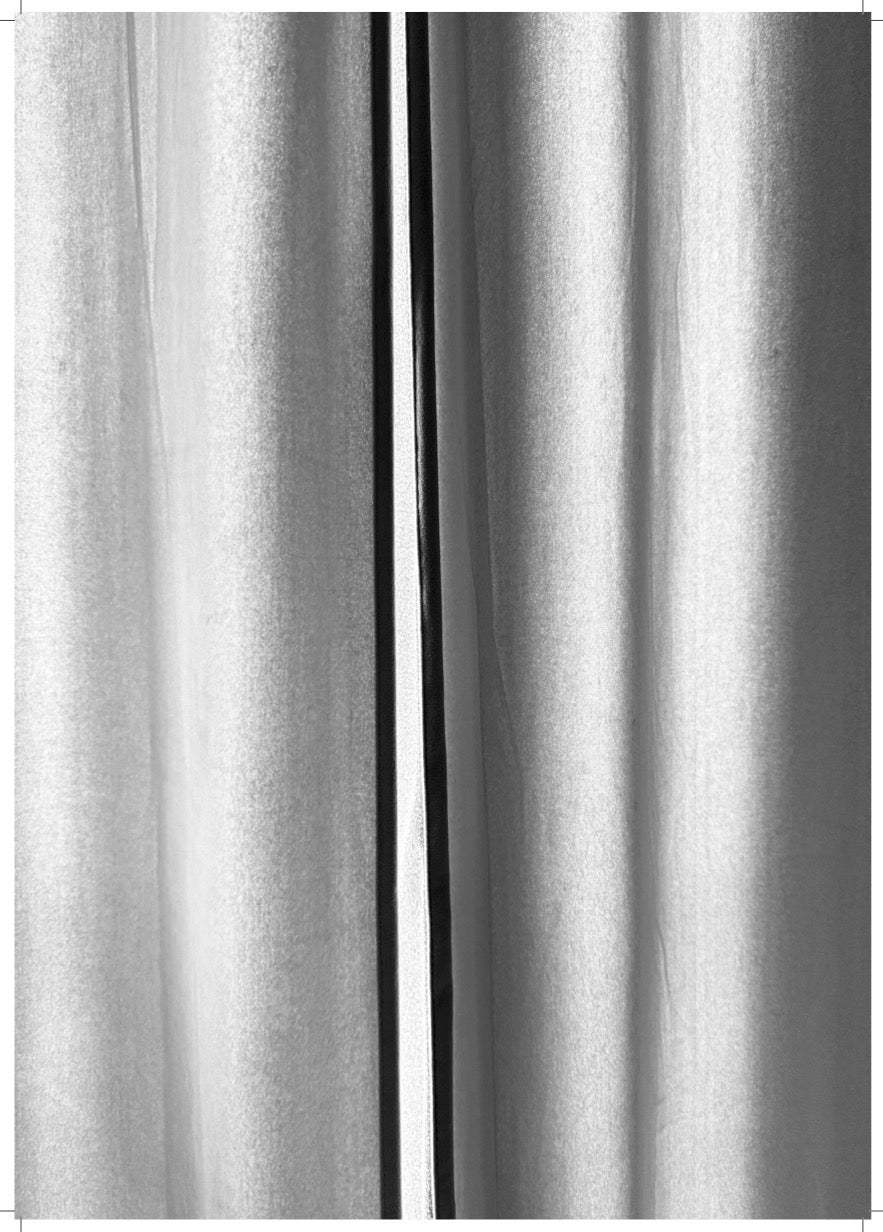
“I was immediately struck by the shape of the wedged space created by these slightly opened tomb doors, and the idea of something invisible being invited forth,” ReStack said. The wedged form, combined with ReStack’s interest in where invisible queer histories might live in an environment like the château, instigated her body of work: The Shape of Enter.
During the residency, ReStack investigated how ideas of power, hierarchy, gender, and desire are first formed by stories of castles, princesses, queens, kings, and knights. In many ways, she said, these traditional narratives enforce a normative order.
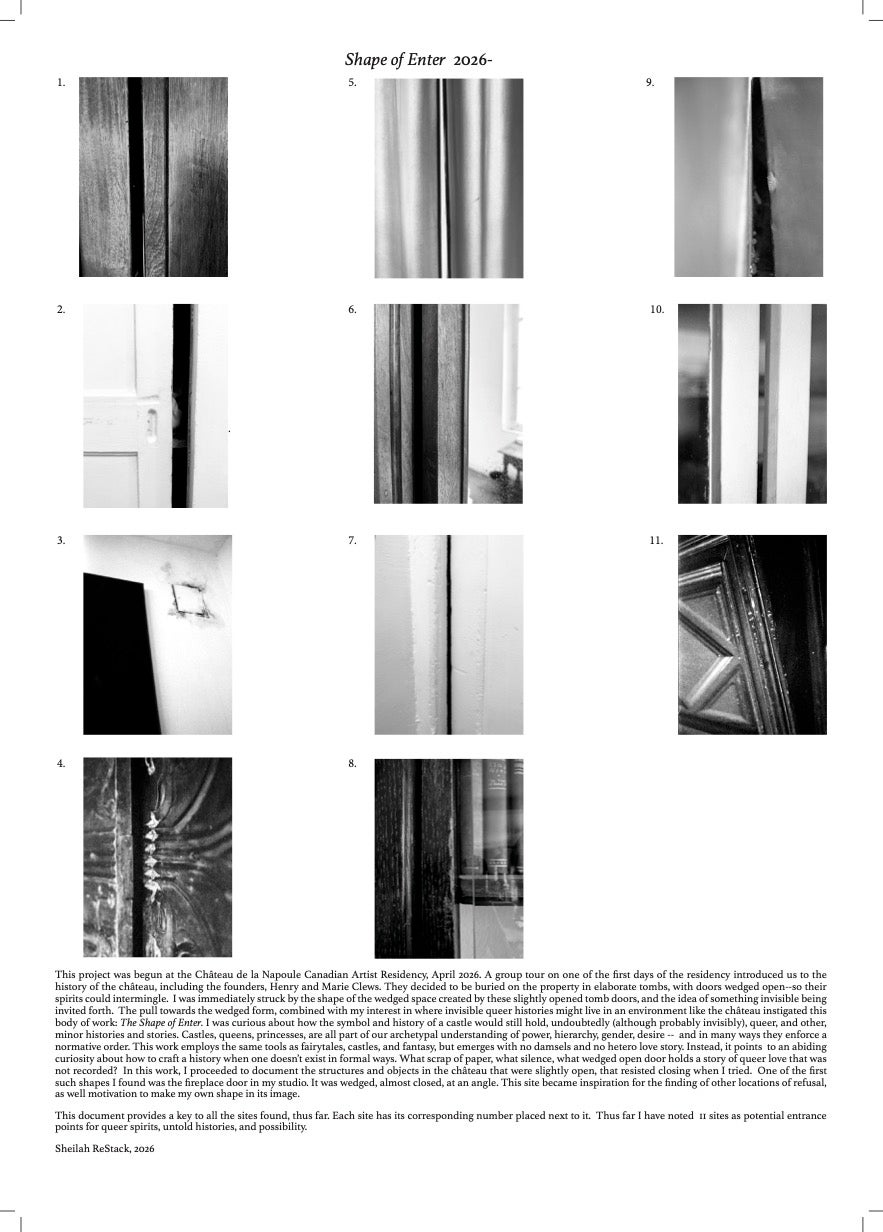
The body of work ReStack created uses the same ideas of fantasy but serves to craft a new history. She went through the castle searching for all the areas that refused to close, such as cabinets and bookcases, and asked, “What wedged-open door holds a story of queer love that was not recorded?”
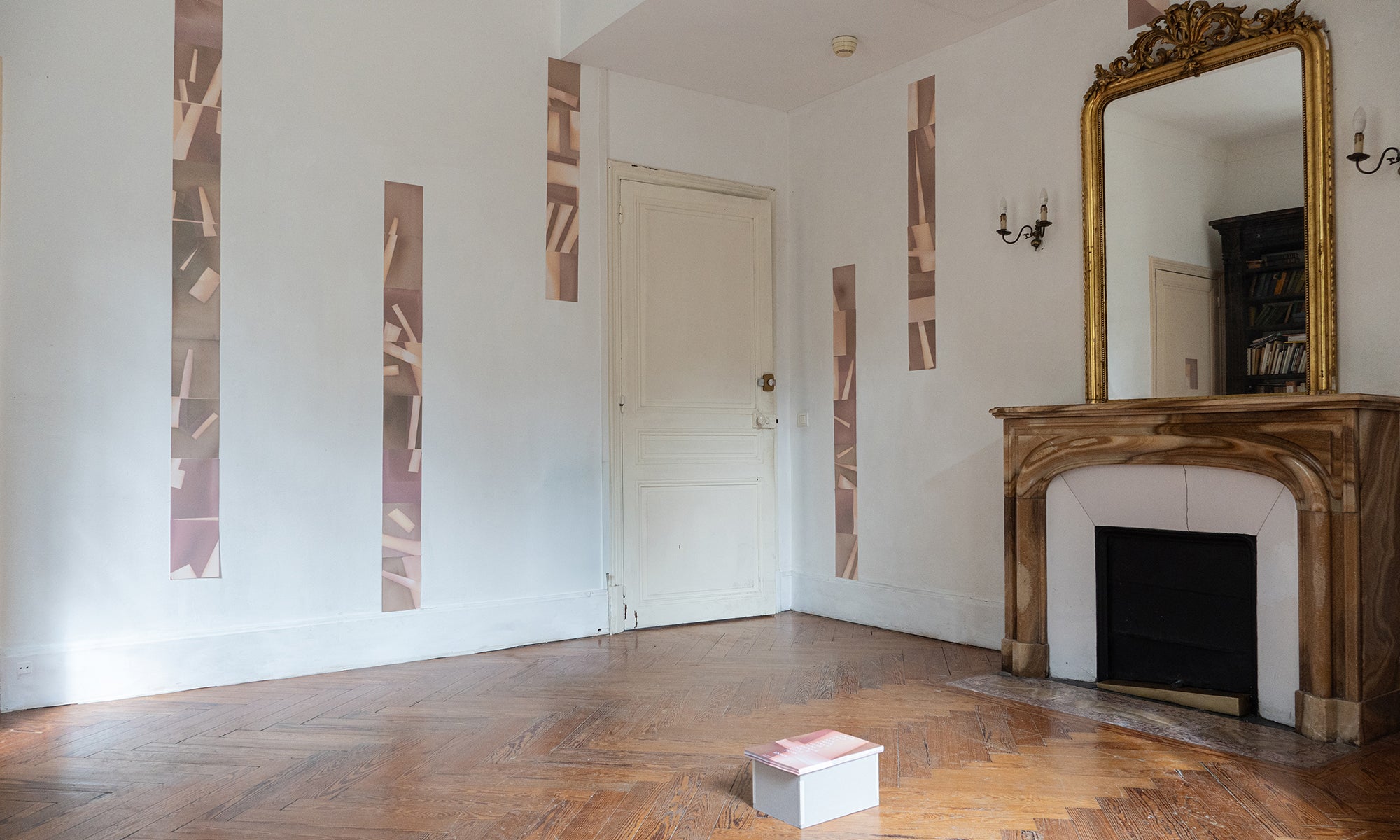
One of the first such shapes ReStack found was the fireplace door in her own studio, wedged almost closed at an angle. This site became inspiration for the finding of other locations of refusal, as well as motivation to remake the wedge shape and document the process.
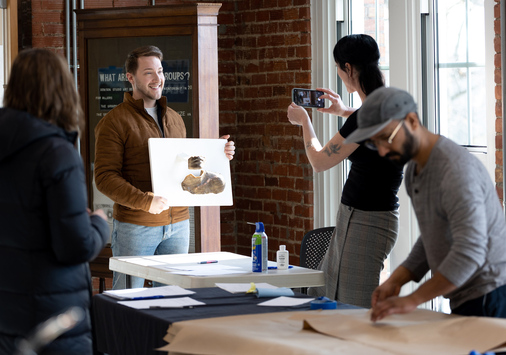
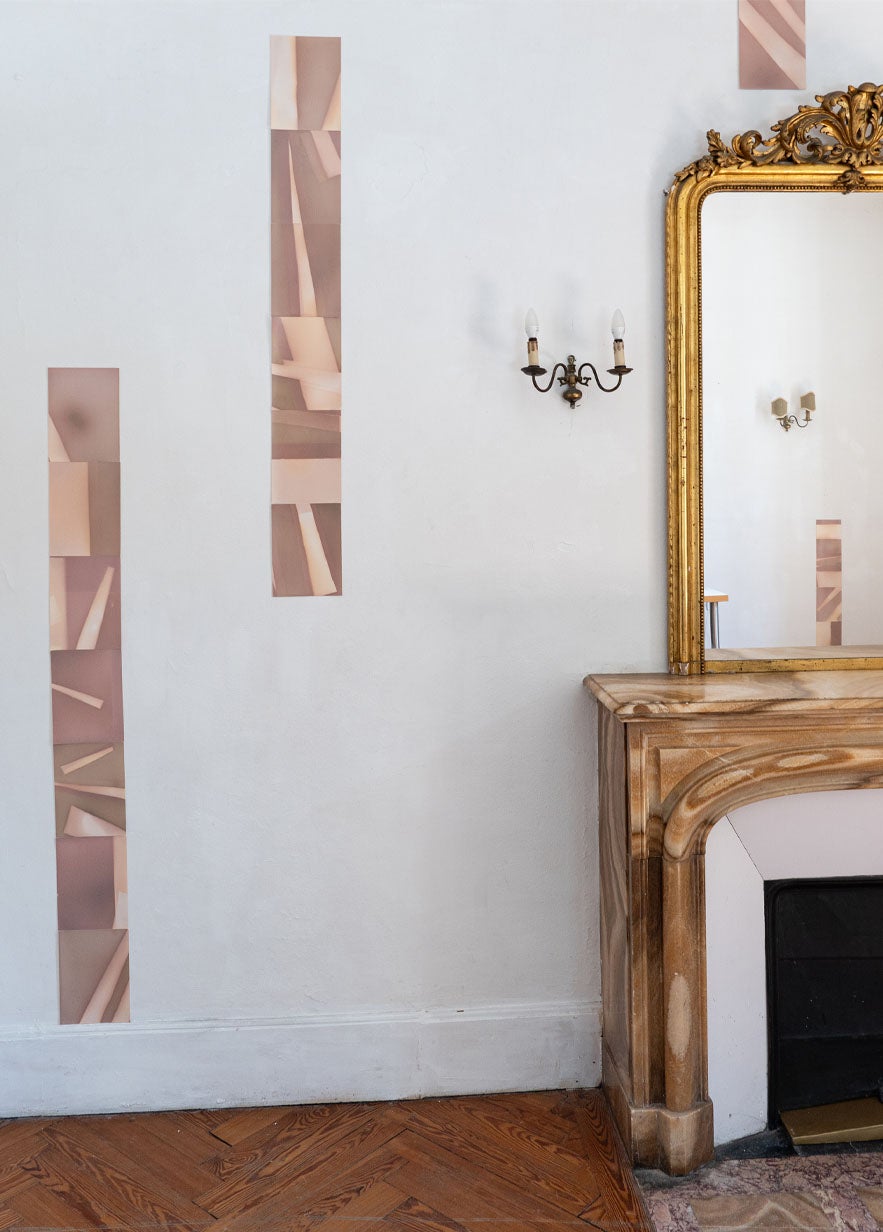
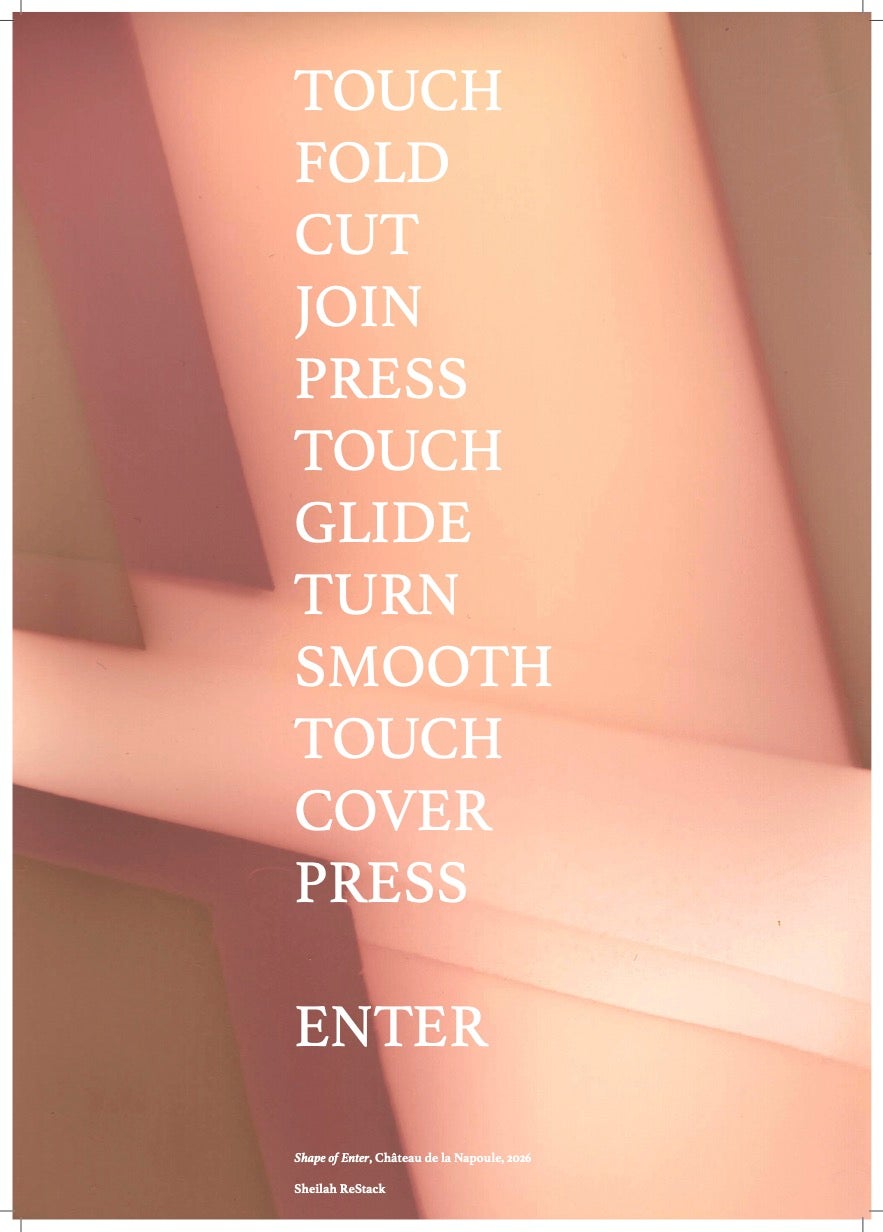
ReStack found 11 sites throughout the castle as potential entrance points for queer spirits, untold histories, and possibility. Using lumen prints (photographic materials exposed to sun and then fixed) the sculptural wedge shape became a ghostly instruction manual installed in vertical lines throughout her studio.
With thanks to the RC Good grant for support.