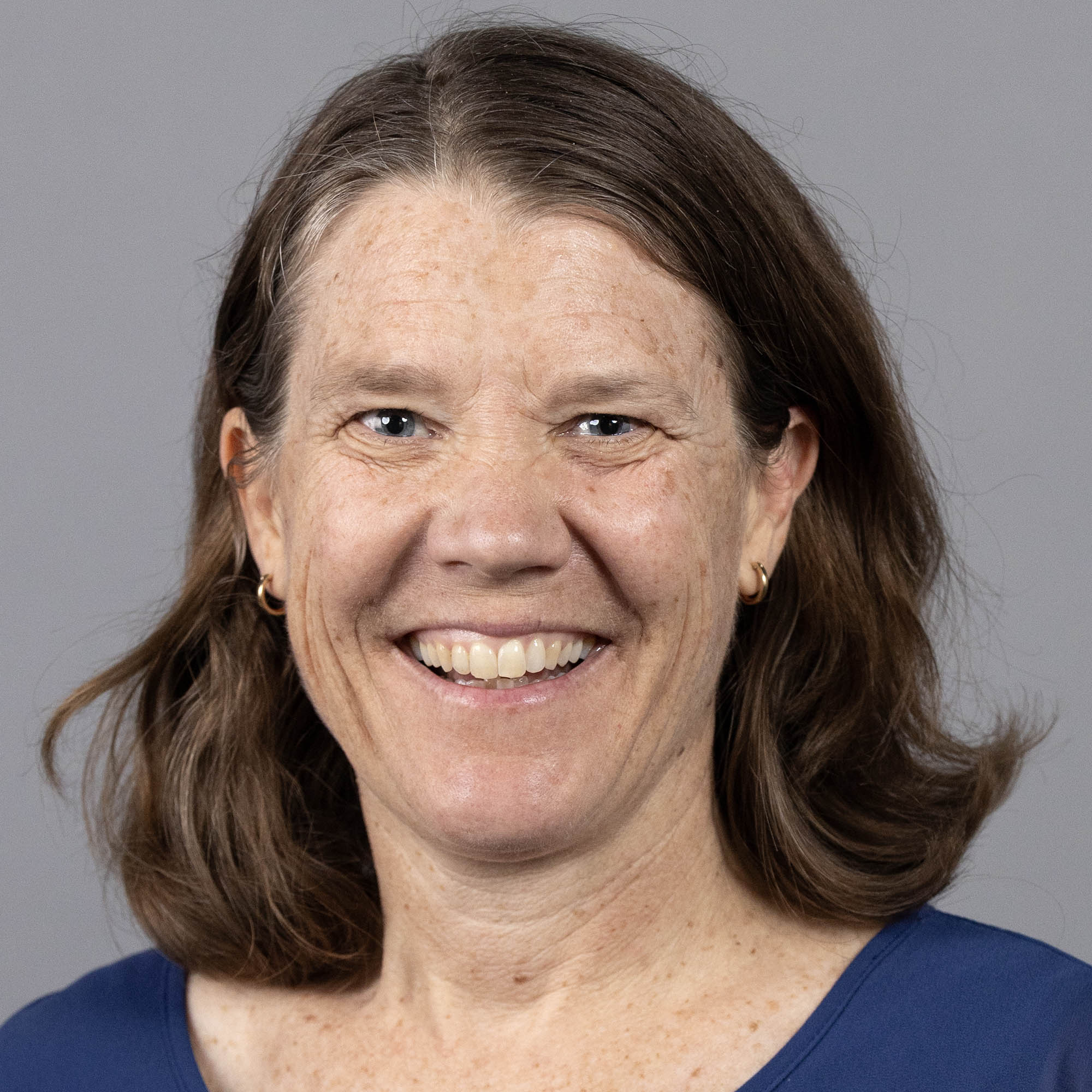
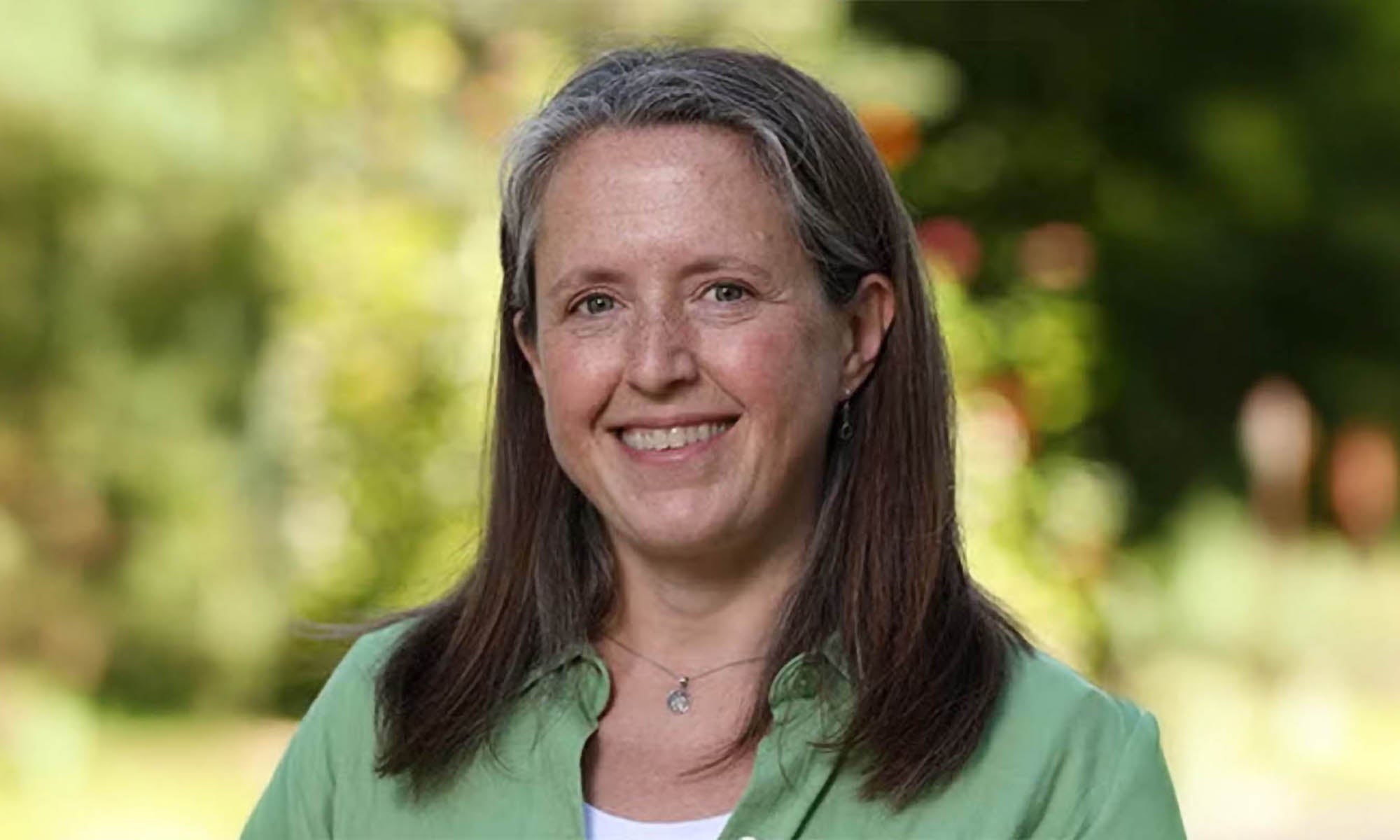
The Center for Learning and Teaching (CfLT) welcomes Karen Spierling, professor of history, as its new director. A member of Denison’s faculty since 2010, Spierling is well known on campus as an engaging teacher and thoughtful colleague. She also served as the founding director of the Global Commerce Program from 2017 to 2022, helping launch and guide the development of that new interdisciplinary major.
Spierling steps into the role with a deep appreciation for the challenges and joys of teaching in a liberal arts setting and for the importance of building a sense of community that fosters conversation, inspiration, and mutual support.
We asked her a few questions about her new role and her vision for the role of Denison’s CfLT.
What attracted you to the position of director of the Center for Learning and Teaching?
At each institution where I have worked and taught, starting with graduate school at the University of Wisconsin-Madison, I have built energizing relationships with colleagues who are passionate about connecting with the students in their classroom and who see each semester, sometimes each class meeting, as a possible opportunity for inspiring growth and transformation in their students.
One of my very favorite parts of my professional life has always been these conversations and mentoring experiences connected to teaching. At Denison, I’ve only become more convinced of how important it is to take time to share thoughts and experiences, listen and learn from each other’s different approaches, explore evidence-based pedagogical strategies, and affirm the value and satisfaction (along with the challenges) of our common mission of teaching in Denison’s liberal arts setting.
I’m excited to be able to serve a term as director of the CfLT, where I can dedicate significant time to providing the space, structure, and leadership necessary to promote a sense of community, intentional decision-making, and creative problem-solving as we all continue to grow as excellent teachers.
Why do you think Denison needs a teaching center?
One of the challenges that keeps dedicated teachers engaged is that there is no such thing as perfection or an endpoint in our development as teachers. Teaching excellence requires constant adaptation to new generations of students, new technological developments, new opportunities, and new challenges.
Every single class that we teach at Denison presents us with a different group of students, and every group has its own chemistry and personality. Each semester, we need to be prepared to quickly evaluate the dynamic of a given class and to keep brainstorming throughout the semester about the most effective ways to engage that group of students in the process of learning.
CfLT programming is intended to help all of our faculty maintain their energy and enthusiasm for this work by providing resources, pedagogical workshops and discussions, individual mentoring, and opportunities for conversation and connection-building across campus.
How is the CfLT supporting faculty around the complexities of generative AI?
As a university, Denison is actively engaging the opportunities, challenges, and questions raised by genAI across campus. As the CfLT director, this year I am focused on building programming to help support three aspects of our faculty’s interest in AI:
- Thinking through the complexity of the developing relationship between generative AI and our students’ thinking and learning. Working through these issues together will provide an important foundation for Denison’s academics moving forward;
- Working with our Education Technology Services and Library colleagues to provide training in AI usage and to collaborate on supporting student engagement with AI; and
- Highlighting the work that Denison colleagues are doing as they implement AI engagement as well as critical AI literacy into their courses.
My hope is that the CfLT can foster the kinds of productive and creative conversations our faculty need in order to educate students who understand how genAI works, how to use it, and how to think intentionally and rigorously about the impacts of AI and the questions that we need to continue asking about it in order to ensure that this new technology works for the benefit of human beings.
Given Denison’s recent national recognition for student career support, what role do you think faculty play in helping students make connections between the classroom and career?
Our colleagues at the Knowlton Center for Career Exploration have the professional skills, knowledge, and networks to help our students make informed decisions about career possibilities. As faculty, we need to collaborate in the career exploration process by creating space in our classes to make our students’ learning visible to them and to build their confidence in their own cumulative learning, which is crucial for presenting themselves and their education persuasively in applications and interviews for jobs and fellowships.
Our own professional expertise in leading class discussions equips us to craft questions that inspire our students to think creatively and critically about information, not only within our classes but in connection to work and internship experiences and all aspects of their lives. Across our curriculum, our faculty are dedicated to helping students grapple with uncertainty and ambiguity as part of problem-solving and decision-making. Our teaching engages students in brainstorming and thought exercises that help them to articulate their ideas concretely and to make connections. This learning extends beyond the classroom and prepares our students to take initiative, think outside the box, collaborate effectively with teammates, and generally be prepared for stellar careers and professional leadership.
You’ve been meeting with different departments this semester; tell us about that.
One of my first goals as I took on this role was to learn more about how my colleagues think about their teaching across departments and disciplines. While we hear about one another’s curricular changes when we vote at general faculty meetings, we don’t really have other official spaces where the primary goal is simply to learn about each other as teachers. These conversations have been important for developing my own understanding of my role and also necessary in order to build out a vision for useful and engaging CfLT programming. They have also been really fun!
So far, I’ve met with 20 departments and programs to hear what matters most to Denison faculty about teaching undergraduates within their discipline and in interdisciplinary programs. We’ve talked about the core ideas they teach and the methods they rely on. I’ve especially focused on learning about what my colleagues want our students to take away from their classes, not only in terms of specific content but, even more importantly, in terms of tools and habits of mind for understanding and experiencing the world.
One theme that has emerged so far is our commitment, as teachers and scholars, to helping our students embrace the challenge, satisfaction, and necessity of thinking — deeply, creatively, and productively. Faculty across campus articulate this goal in a variety of ways: teaching students to value slow thinking in untangling math and programming problems, rather than speed in getting to an answer. Building the attention span and intellectual curiosity to commit to sustained, reflective reading. Creating a semester-long sense of community that opens space for exploring many perspectives, thinking empathetically, and revisiting personal experience with new questions. Taking concepts and questions from class out into daily life and bringing new observations about the world around us back into the classroom as fodder for discussion and learning.
I’m looking forward to creating CfLT programming that will allow Denison faculty to explore these shared pedagogical commitments across disciplines and our own different ways of thinking. The more that we are in conversation with one another and familiar with the various ways of thinking that our students encounter in their classes, the more that we can actively help our students to connect those different ways of thinking and problem-solving across their courses. Ultimately, more interaction among our faculty means a stronger sense of the value of their interdisciplinary, liberal arts learning experiences for our students.
What’s been happening at the CfLT this fall?
In addition to the department visits and our weekly newsletter, Let’s Talk Teaching, some of our key fall programming has included:
Our three seminars designed for faculty newer to Denison: the Denison Teaching Seminar for tenure-track faculty prior to their third-year reviews, the Denison Reflection Seminar for faculty who are involved in the tenure process, and the Denison Visiting Faculty Seminar. We also offered six sessions through our Teaching Matters program, each with a different topic: “Why do we teach?”; “International Students in our Classrooms”; “In-class assessment strategies”; “Supporting the Whole Student”; “Policies and Practices that Make a Difference”; and “The Joys of Teaching.” The success of these programs depends not only on faculty engagement but also on the dedication of our CfLT faculty fellows: Rebecca Homan (DTS); Rebecca Kennedy and Kate Snipes (DVFS); and Hoda Yousef (TM).
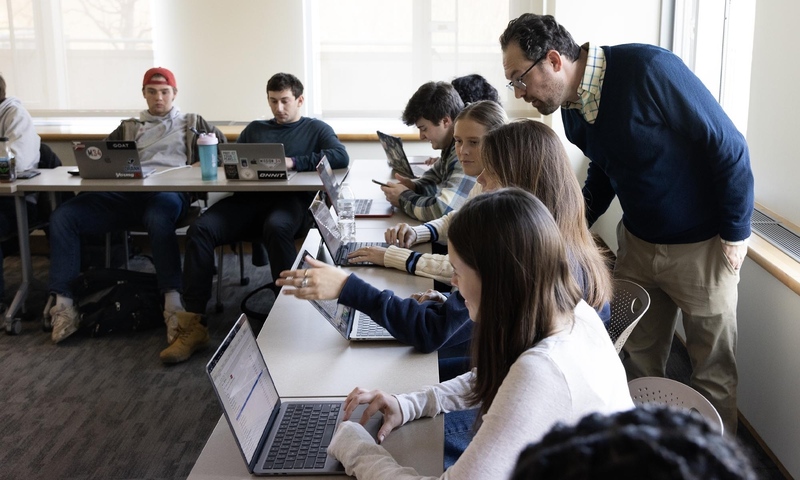
Looking ahead, we’re planning a series of three workshops in early January to help faculty kickstart the spring semester: “Decoding our Expectations for Students- Learning Goals and GenAI”; “Helping our Students Do Hard Things”; and “Why and Why Not- Canvas and Tech in Our Classrooms.” In February, we’ll be running the CfLT’s Open Doors program, which is an opportunity for faculty across campus to sit in on each other’s class meetings and learn from one another.
What is your overall vision for the Center in the next few years?
Denison’s Center for Learning and Teaching should be a home for thoughtful reflection, energizing conversations, and steady support for the work of faculty across our campus. The Center should bring people together to talk openly about what’s working in our classrooms, what’s challenging, and what new approaches might spark deeper learning for our students and professional joy and satisfaction for ourselves.
I want Denison faculty to think of the CfLT as a welcoming space dedicated to fostering and supporting our own learning and work as educators in the interest of producing the excellent teaching that helps our students to realize their own potential and carry their curiosity, connection-making, and problem-solving skills with them into their lives after Denison.