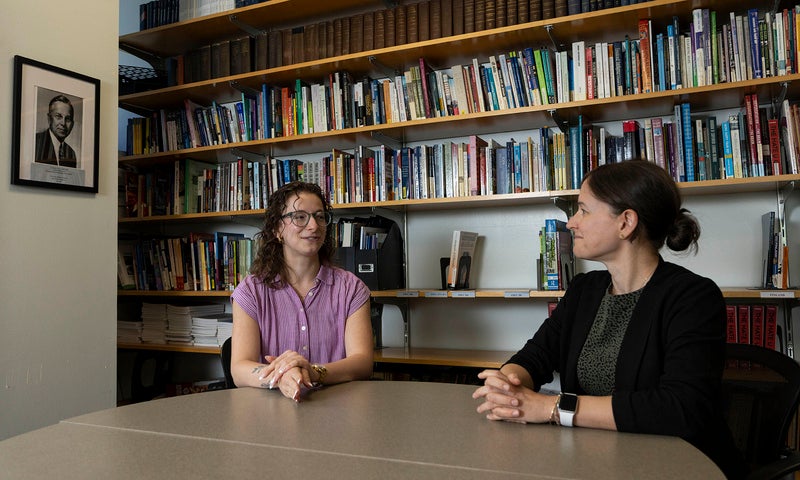
Before attending Denison University’s AI policy lab in January 2026, Kari Fritz of Greene County Career Center in Xenia, Ohio, had one opinion of artificial intelligence.
“I only viewed AI as a cheating tool,” she said.
By the end of the day, her perspective had changed.
“Now I have a much better understanding of the positive impacts it can have on our students,” she said.
Fritz’s shift from skepticism to advocacy mirrors a larger transformation happening across the local and national educational landscape — one that Denison is helping to lead.
Ohio House Bill 96 has set a clear deadline: all school districts must adopt an AI use policy by July 2026. For many educators, this mandate has raised urgent questions about implementation, ethics, and student safety in a rapidly evolving technological landscape.
Denison is stepping into this moment of uncertainty by leveraging its AI expertise to serve as an educational partner. Through a series of summits and workshops, the university is helping schools and colleges across Ohio and the nation develop practical, values-driven AI policies that serve their students and communities.
“AI is affecting how our students learn, what they learn, and their future work,” President Adam Weinberg said. “We are leveraging Denison’s expertise in AI to be an educational partner to support schools, universities, and workforce development.”
The urgency is clear. According to the 2024 Work Index Trend Annual Report, three out of four people now use AI at work — a number that nearly doubled in just six months. Almost 80% of leaders believe their companies need to adopt AI to stay competitive. For the 1.6 million students in Ohio’s K-12 system, AI literacy is no longer optional. It’s essential preparation for college and career success.
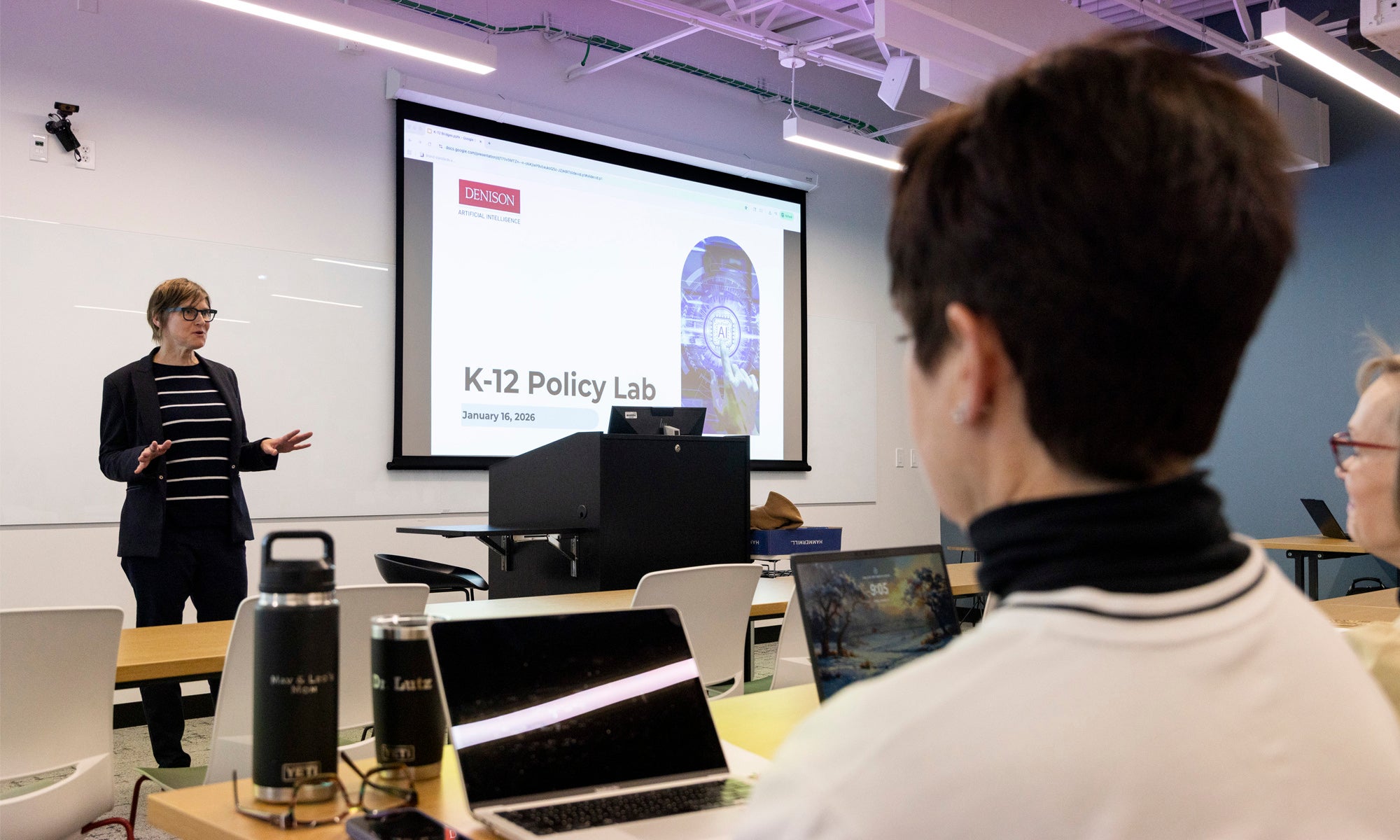
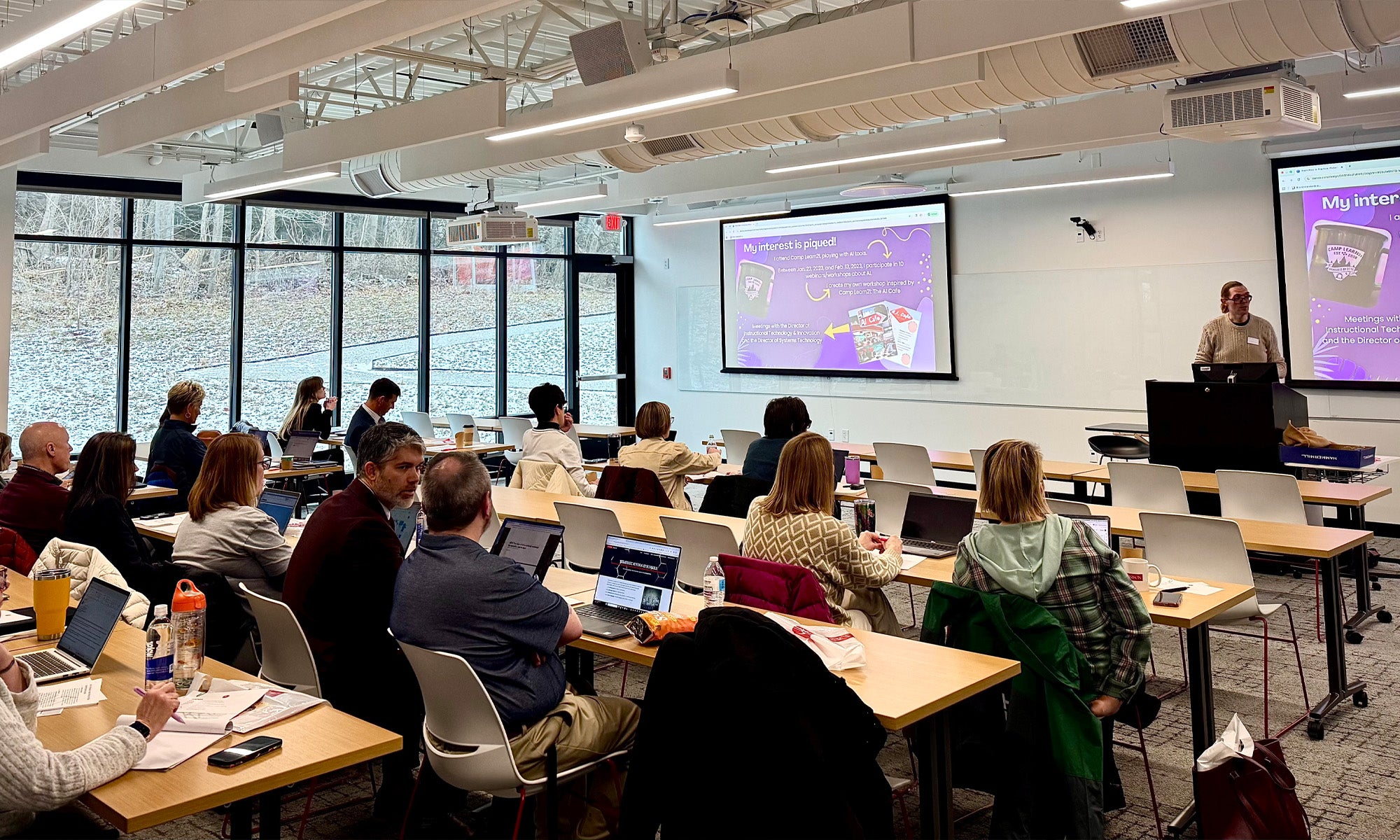
Denison’s “K–12 AI Policy Lab: An HB96 Workshop for School Leaders” summit brought to campus more than 30 participants from 18 school districts. The gathering also drew Ohio Chancellor of Education Mike Duffey and representatives from the Ohio Educational Service Center of Central Ohio and the Ohio Department of Education & Workforce (ODEW).

Denison’s Head of AI Strategy Lori Robbins.
Led by Lori Robbins, Denison’s head of AI strategy and a former high school Spanish and ESL teacher, the summit focused on building cohesion around AI knowledge and language while creating practical resources schools could use immediately.
ODEW has provided a HB96 policy primer and framework emphasizing AI literacy, ethics, and academic integrity. ODEW affirms that AI can be allowed when used ethically, transparently, and purposefully — setting a collaborative rather than punitive tone.
“We hope it’s the right balance of parameters, and we think it’s an important statement,” said Chris Woolard, chief integration officer at ODEW. “This is a workforce issue. At the end of the day, our students have to be prepared for success.”
Denison’s policy summit offered educators an opportunity to unpack those resources and share ideas on how to write and implement AI policies that will support their communities.
While educators grapple with concerns about cheating and academic integrity, Robbins presented surprising findings from student surveys: young people overwhelmingly support using AI to complement, rather than circumvent, their educational goals.
“Students want to use AI in ways that enhance their learning, such as helping to create study guides,” Robbins said. “They want to know how to use it responsibly and ethically. They are craving more training, not just permission to use the technology.”
This insight reframes the conversation. Rather than viewing AI as a threat to be controlled, Robbins advocates for values-driven implementation that empowers both teachers and students.
“Start with your values before you create policy,” she advised workshop participants. “Ask yourself, when your district is at its best, what values are clearly visible in what you do?” She encouraged schools to use those values as “guardrails” to help direct AI practices.
The summit provided school representatives the chance to discuss real-world applications and share success stories, demonstrating that AI implementation is already yielding positive results in Ohio schools.
Zach Tullis, coordinator of assessment and digital instruction at Pickerington schools, explained how his district takes a developmental approach.
“We start with building AI awareness in younger grades, then introduce them to more advanced concepts as their learning goals escalate,” he said. “For younger students, AI is a great tool to help them articulate what characters do next in a story. As they grow older, we can turn on tools like Grammarly that help with writing and composition.”
Denise Lutz from Upper Arlington City Schools shared how students are shaping their AI strategy.
“We have a student AI club based on a framework out of MIT,” she said. “They created an AI survey that 3,000 students completed, and we’re getting ready to share the results with our board.”
Stephen Dackin, director at ODEW, suggested another practical application: using AI to enhance professional development.
“My experience is that teachers like to learn from other teachers,” he said. “How can we leverage AI to support that in our buildings and districts?”
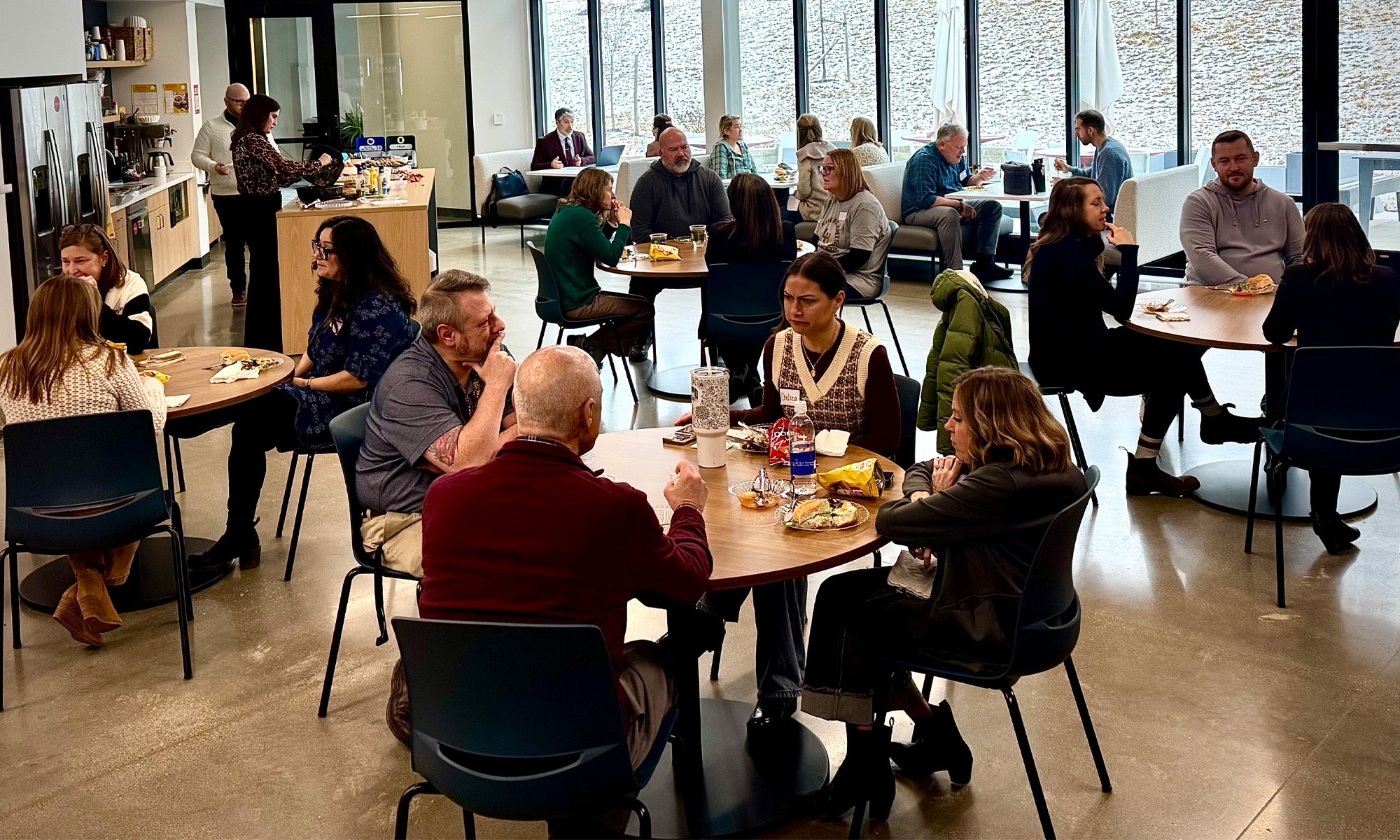

Workshop participants split into working groups during lunch to tackle specific topics including AI use and academic integrity, AI literacy, and teacher support. By the end of the day, everyone had contributed to a shared online resource offering AI strategies, tools, prompts, HB96 guidelines and frameworks, teacher resources, and external references — a living document that schools can adapt to their unique needs.
Denison’s leadership in this space stems from its own comprehensive approach to AI integration. The university is simultaneously implementing extensive AI fluency and career-readiness programs for its students while deploying AI operational efficiency strategies across its teams.
“The better that we responsibly engage students with the process of learning and tools at a younger age, the better they will do at college and at life,” said Liv Gjestvang, Denison’s vice president and chief information officer.
Through ongoing AI workshops, Denison offers expertise and partnership for national higher education leaders, including those from Amherst, Bucknell, Pomona, and Williams. The university will hold more summits for Ohio K-12 schools this semester and in June, it will offer its first summer camp for high school students on data analytics and AI, the Tomorrow Tech Institute.
By the end of the January summit, the atmosphere in the room of K-12 administrators had shifted noticeably. Anxiety about compliance and concerns about academic integrity had evolved into genuine excitement about educational possibilities.
Fritz’s transformation from viewing AI solely as a cheating tool to recognizing its positive impacts exemplifies the change Denison hopes to catalyze across Ohio’s educational community. “How do we show up in transformational moments like this one,” Robbins asked. “Denison’s goal is to help our students and educational partners push away the fear and embrace this change with curiosity.”
For more information about Denison’s AI summits and educational partnerships, or to access the shared resource library from the K-12 AI Policy Lab, contact Lori Robbins at robbinsl@denison.edu.