How to make friends in college: Building your community
Starting college can be a total social reboot. It is a world of brand-new opportunities, but it also comes with a unique set of pressures. Whether you are a prospective student imagining your future on campus or a new arrival navigating the first few nights after move-in, one question tends to outweigh the rest: “Is it hard to make friends in college?”
The reality is that meeting people in college often starts exactly as it always has — with a simple, brave “hello.” This guide breaks down how to navigate your college social life, tackle the inevitable waves of homesickness, and foster a supportive community that enriches your entire experience.
The social playbook
- Building connections starts early: Leverage orientation week and initial classes to break the ice and meet new people; consider orientation week tips and first-week-of-college social tips.
- Engage in campus activities: Join college clubs and organizations, attend social events for first-year students, and try low-pressure social activities on campus to naturally foster friendships.
- Find your “third space”: Instead of retreating to your room, head to communal hubs like the student union or dining halls. Spending time in these shared spaces is the easiest way to spark conversation and find your community.
- Open up about homesickness: It’s cool to acknowledge your feelings and seek support through counseling and peer connections; this will help you learn how to deal with homesickness and make friends while navigating social anxiety in college.
- Remember, friendships evolve over time: Stay open-minded; making friends during your first year of college is just the start of expanding your social circle and building a community that lasts.
The importance of college friendships
Friendships are important in every stage of life, but in a four-year residential environment, they are the heartbeat of your personal growth. Beyond weekend plans, a solid friend group is a primary driver of academic success. Having peers to tackle tough assignments with, share resources, and provide motivation during finals week makes the rigors of a college education much more manageable.
College can be an emotional rollercoaster, especially that first year when it’s all new, but it’s also exciting. You are growing up, setting out on your own, and shaping your future. Your college friends will be the people who walk that path with you. They’ll be there when you choose a major, celebrate a big internship, or navigate the quiet moments of homesickness. Sharing these joys and challenges creates a deep sense of belonging that is essential for your mental well-being.
Building connections from day one
Your first semester begins with New Student Orientation, a comprehensive introduction to college life designed to help you navigate campus, find a sense of belonging at your new college, and adjust to the rigors of college education.
It’s also a social launchpad. From move-in to resource fairs to info sessions and social activities, there’s a lot going on. Let’s focus on a few tips to making friends in those first days on campus.
Orientation and Move-In strategies
- The “open door” experiment: During the first week of classes, keeping your dorm door propped open is a universal signal that you’re open to a chat. It’s one of the simplest dorm life social tips for making friends in your hall during your first year.
- Roommate bonding: Your roommate is kind of like your first built-in college friend. While you don’t have to be inseparable, finding common ground early — whether coordinating room décor or grabbing a meal at the dining hall — makes the transition feel less lonely. Denison’s Huffman Dining Hall is a major hub of our first-year quad, making it easy to meet up with other first-year students for dinner.
- Small steps for introverts: If the high energy of orientation feels overwhelming, remember that how introverts make friends in college usually comes down to small, intentional goals. Try saying hi to just two people at an orientation mixer, or find a quiet corner at a campus event.
Finding community through involvement
While some connections happen by chance, many of the most lasting friendships are built through structured activities. Shared interests take the pressure off “small talk” and replace it with shared goals.
During those early weeks on campus, the student involvement office will undoubtedly host a student involvement fair.
What is a student involvement fair?
It’s kind of like scrolling through Denison’s What to DU student involvement app in person. Every campus organization is there with an info table ready to tell you all about what they offer and how you can participate. It’s a perfect time to connect with groups that share your interests outside of class and discover new hobbies.
Exploring student organizations
The Denison Involvement Fair brings together more than 165 organizations in a wide-range of topics, including academic & honorary, arts & music, club sports & intramurals, cross-cultural communities, events & programming, fraternity & sorority life, media, religious & spiritual life, service, special interest, and student government – there is a niche for everyone.
- Club and intramural sports: Athletics are a social goldmine. Joining intramural sports or club sports at Denison allows you to meet students from different majors and class years. The benefits of intramural sports extend far beyond fitness; they provide a built-in community that meets every week.
- Student leadership: Taking on a role in student government or campus programming offers student leadership opportunities that help you connect with mentors and peers who share your drive.
- Fraternities & sororities: 35% of Denison students are affiliated with Greek-lettered organizations that engage and support students on The Hill, building capacities for their personal and professional growth.
- Arts at Denison: Create, invent, design, and perform, no matter your major. The arts intersect with nearly every facet of life at Denison. Students often bring a passion for the arts, and once here, they find new ones.
Embracing the organic moments
While joining a club is a great strategy, some of the best memories often happen in the unplanned gaps between classes and activities. Late-night study sessions, grabbing a bite with new friends, handing out on a sunny day on the quad – sometimes these “organic” moments are the unexpected glue of your college social life. How do you stumble into these moments?
Find the "third space" on campus
If you haven’t taken sociology yet, you might not know that the “third space” is a concept that refers to those spaces between home and work, or, in this case, any place that isn’t your dorm or your classroom. These are the natural hangouts where students gather to relax and connect.
- Dining Halls: Campus eateries are goldmines for socializing. If you’re wondering how to make friends in a dining hall, look for a lively table, ask if you can join, and keep the conversation light. Most colleges offer multiple dining options beyond traditional dining halls, such as coffee shops or sandwich shops. Spots like these are perfect for those quick hellos that turn into regular meetups.
- Student Unions: Every college has at least one. Places like Slayter Union or Moon Hall at Denison are campus hubs and hangout spots, giving students the opportunity to spend time in communal spaces — even just to study.
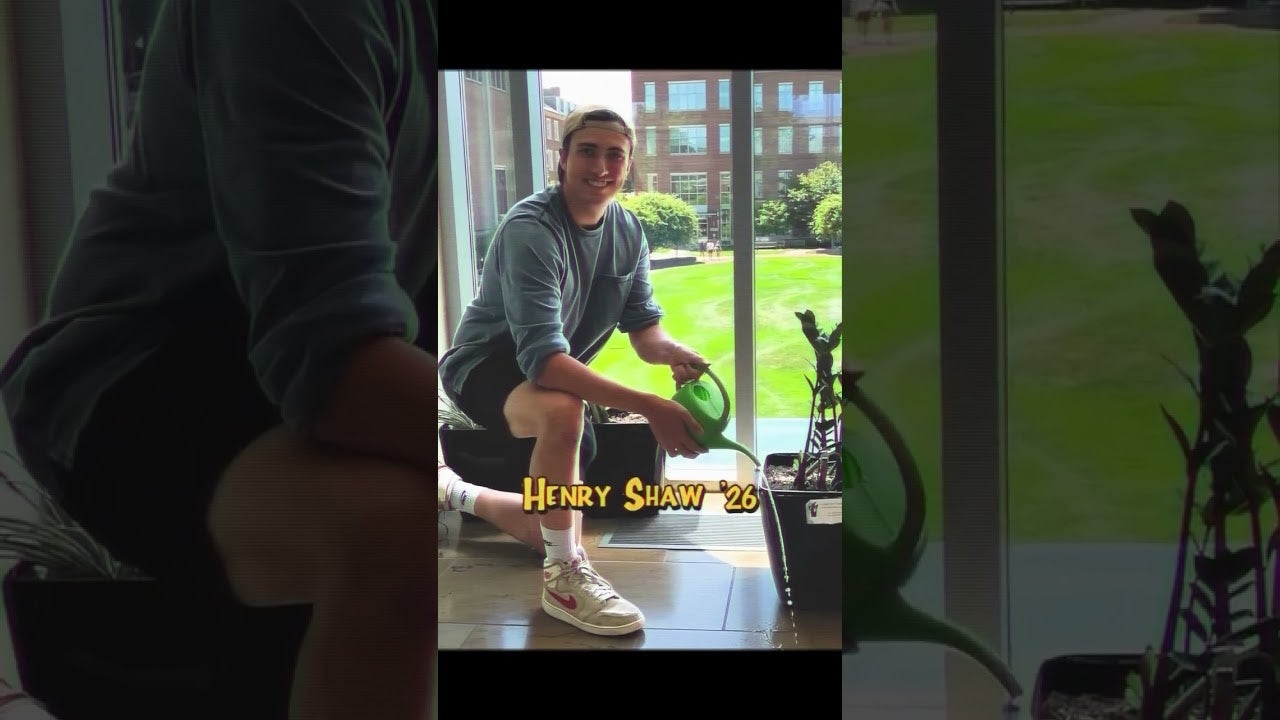
Finding your “third spaces” makes you part of the campus energy and open to spontaneous conversations. Whether it’s a deep debate about a philosophy lecture or a lighthearted discussion about a favorite exfoliant (yes, really — check out the video above!), fast friendships are built in the unplanned gaps between classes.
Navigating homesickness and social anxiety
It is completely normal to feel a sense of loss for the familiar comforts of home. Homesickness isn’t a sign that you’re failing at college; it’s a sign that you’re in the middle of a major life transition. Totally normal, and your classmates are probably going through the same thing in their own way.
The best way to deal with homesickness and make friends is to establish a routine. Set regular meal dates, attend a weekly club meeting, and talk openly with your new friends about what you miss. You’ll likely find they are feeling the exact same way. If you are navigating social anxiety in college, start with smaller, more familiar settings and utilize campus counseling and wellness resources. They are designed to help you thrive, not just survive.
How friendships evolve over time
Building a community is a marathon, not a sprint. The friends you meet during your first semester are just the beginning. Over four years of classes, concerts, athletics events, and more, your circle will naturally expand and change.
As you take electives outside of your major or get involved with your local community (Denison, for example, provides students with exciting opportunities to engage with Granville, Newark, and Columbus, Ohio), you will continue to find new ways of meeting people outside of your major.
Stay curious, stay patient, and remember: every lifelong friendship once started with a simple “hello.”
Q&A for the college transition
Beyond the social aspect, friends provide a crucial support system for your academic and emotional well-being. They help you balance academics and social life, keeping you motivated through the highs and lows of the college journey.
Use your surroundings. Ask about a class, a club they might be in, or simply mention a shared experience like a recent campus event. Simple conversation starters for college students are often the most effective.
Don’t panic. Making friends in college happens in waves. You will meet people in your dorm, then your classes, then your clubs. Stay open to the process, as friendships often grow organically over the course of all four years.